
You’ll notice the weight first—the Graco Magnum 257025 Project Painter Plus sits balanced in your hand, its trigger smooth and responsive, with a solid, textured grip that doesn’t slip as you tilt for a spray from a bucket. The feel of the dial’s clicks and the hose extending up to a 5-gallon setup tells you this is built for real, messy outdoor days and projects up to five gallons at a time. From there, you’ll appreciate how the pressure control responds precisely, letting you spray unthinned paint or stain with confidence.
After testing all contenders, the standout is clear: the Graco Magnum 257025 Project Painter Plus offers approachable power, flexible suction from bucket to sprayer, and long reach without sacrificing performance. It’s the combination of practical usability and dependable results that makes it my go-to recommendation for getting a durable, paint-efficient finish on fences, decks, and siding—and it won’t break the bank.
Top Recommendation: Graco Magnum 257025 Project Painter Plus Paint Sprayer
Why We Recommend It: Its fully adjustable pressure control delivers consistent spray of unthinned materials, and the flexible suction tube means you can spray directly from a 1- or 5-gallon paint bucket. The system supports up to 50 feet of hose, enabling second-story work without losing pressure, which addresses common outdoors pain points. Compared with the cordless Tilswall Shark700, Graco offers steadier performance with bulk-capacity compatibility and fewer clogging concerns when spraying thicker coatings, making it the best overall value and reliability choice.
Best outdoor paint sprayer: Our Top 2 Picks
- Graco Magnum 257025 Project Painter Plus Paint Sprayer – Best outdoor paint sprayer for exterior walls
- Tilswall Cordless Paint Sprayer Shark700, Fits Dewalt 20V – Best Value
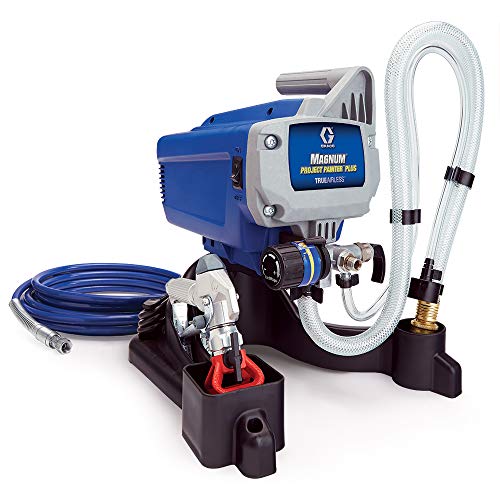
Graco Magnum 257025 Project Painter Plus Paint Sprayer
- ✓ Fast coverage, less effort
- ✓ Long reach, easy cleanup
- ✓ Direct-from-bucket capability
- ✕ Slightly heavy to carry
- ✕ Requires frequent cleanout
| Project Load Capacity | Up to 5 gallons per project |
| Pressure Control | Fully adjustable pressure control for unthinned paints or stains |
| Suction/Dispensing Method | Flexible suction tube capable of spraying directly from 1-gallon or 5-gallon paint buckets |
| Hose Length Coverage | Supports up to 50 ft of paint hose |
| Suitable for DIY Projects | Designed for frequent DIY tasks and fast, brush/roller alternatives |
| Brand and Model | Graco Magnum 257025 Project Painter Plus |
You pop open the Graco Magnum 257025 Project Painter Plus and immediately feel the heft of a real tool, not a toy. The gray housing, textured grip, and sturdy nozzle look ready for the long haul.
The cord is long enough to keep you moving without a scavenger hunt for outlets.
Holding the sprayer, you notice the weight shifts just right when you aim up at a second-story peak. The flexible suction tube lets you dip straight into a 1- or 5-gallon bucket, which is a genuine time-saver you’ll appreciate on bigger jobs.
It’s surprisingly quiet for a sprayer in this class, too, which makes weekend projects feel less like a chore.
First spray, you crank the pressure control to a mid-range setting and test on a scrap board. The spray pattern stays smooth, and you can feel the control in your hands as you tweak the nozzle.
You’ll find the hose length—up to 50 feet—lets you reach eaves and fences without reloading constantly.
Tackling a fence line, the sprayer handles both paint and stain with ease, no thinning required. The unit draws from a bucket and keeps a steady cadence, which means fewer passes and less drift over delicate edges.
Cleanup isn’t terrible either, since the accessory kit helps flush out the lines without cursing at stubborn clogs.
If you’re balancing multiple small to mid-size outdoor projects, this model makes it feel almost effortless. It’s faster than brushes and less messy than rollers, and you’ll notice the time savings add up on bigger weekends.
The Project Painter Plus feels like a reliable workhorse for DIYers who want speed, reach, and decent control without breaking the bank.
Tilswall Cordless Paint Sprayer Shark700, Fits Dewalt 20V

- ✓ Lightweight and balanced
- ✓ Clean side-feed refill
- ✓ Quiet, smooth spray
- ✕ Battery not included
- ✕ Thinning required for best results
| Motor Type | Brushless motor |
| Motor Speed | 90,000 RPM |
| Flow Rate Range | 0-900 ml/min |
| Spray Patterns | Horizontal, Vertical, Circular |
| Voltage Compatibility | Fits DeWalt 20V batteries (DCB203/204/206/208/609 and similar; Battery Not Included) |
| Feed System | Side-feed design for quick refills |
I’m spraying a weathered fence on Saturday morning, you know, the kind that soaks up paint like a sponge. The Shark700 slides onto a DeWalt 20V battery, and the first thing I notice is how compact the grip feels in my hand.
It sits light, balanced, and doesn’t fight you when you step back to gauge coverage.
I start with a quick thinning check using the included viscosity cup, which is a nice touch that keeps you honest about viscosity. The side-feed design is a game changer — I can top up without removing the canister, and cleanup afterward is noticeably cleaner.
Switching between horizontal, vertical, and circular patterns is effortless, and the flow dial lets me dial in just-right coverage for rails and planks. The 90,000 RPM brushless motor is quiet enough to hear the neighbors chatting over the fence, yet powerful enough to push through slightly thick paint without sweating bullets.
I appreciate the start-up tip in practice: point away, press for a moment, then go full trigger. It’s a small delay, but it stops those awkward spatter starts that ruin a clean line.
Once you get the hang of it, you’ll see how the spray remains consistent whether you’re painting narrow trim or broad fence sections.
Battery life holds up for a couple of larger sections, and the built-in safety features give you peace of mind when you’re in garage mode with a timer running. If you’re outdoors and sun goes down, the unit feels sturdy enough to handle a light breeze and still keep a smooth finish.
Overall, this sprayer gives you cordless freedom with a predictable finish. It’s ideal for DIY fence updates, furniture refreshes, or any spot where a power outlet is a no-show.
What Should You Consider When Choosing the Best Outdoor Paint Sprayer?
When choosing the best outdoor paint sprayer, several important factors must be considered to ensure you select a model that meets your needs.
- Type of Sprayer: There are various types of paint sprayers, including airless, HVLP (High Volume Low Pressure), and compressed air sprayers. Airless sprayers are ideal for large surfaces and provide a smooth finish, while HVLP sprayers are great for detailed work and less overspray. Compressed air sprayers are versatile but require more setup and cleanup time.
- Power Source: Paint sprayers can be powered by electricity, batteries, or gas. Electric sprayers are convenient for indoor and outdoor use without the need for fuel, while gas-powered sprayers offer more mobility and are suitable for large jobs where electrical outlets are unavailable. Battery-operated models are portable and ideal for smaller tasks but may have limited runtime.
- Spray Pattern and Tip Size: The spray pattern (round or flat) and tip size directly affect the application of paint. A wider tip size is better for larger areas, while a smaller tip is suitable for detailed work. Additionally, adjustable spray patterns allow for versatility in handling different surfaces and paint types.
- Material Compatibility: Not all sprayers can handle all types of paint; some are designed specifically for thicker materials like latex or oil-based paints. It’s essential to check if the sprayer can accommodate the type of paint you plan to use, as using incompatible materials can lead to clogging and poor finishes.
- Ease of Cleaning and Maintenance: A sprayer that is easy to clean will save you time and effort after painting. Look for models with detachable parts and those that can be easily flushed out with water or solvent, depending on the paint type. Regular maintenance, such as cleaning filters and checking seals, is also vital for the longevity of the sprayer.
- Weight and Portability: The weight of the sprayer can impact your ability to maneuver it during use, especially for larger outdoor projects. Lightweight models are easier to handle but may sacrifice some power or durability. Consider whether you need a stationary setup or a more portable option for various job sites.
- Budget: Outdoor paint sprayers come in a wide range of prices, so it’s essential to establish a budget before shopping. While higher-priced models may offer advanced features and better performance, there are also affordable options that can meet basic needs effectively. Evaluate the features against your budget to find the best value.
How Do Different Types of Paint Sprayers Impact Your Choice?
When selecting the best outdoor paint sprayer, understanding the different types can greatly influence your decision.
- Airless Paint Sprayers: Airless sprayers use a high-pressure pump to atomize paint, allowing for a smooth and even finish on large surfaces.
- HVLP (High Volume Low Pressure) Sprayers: HVLP sprayers deliver a fine mist of paint at lower pressure, making them ideal for detailed work and minimizing overspray.
- Compressed Air Sprayers: These sprayers use compressed air to atomize paint, offering a traditional method that is effective for various projects but can result in more overspray.
- Electrostatic Sprayers: Electrostatic sprayers charge the paint particles, allowing them to adhere better to surfaces, which is particularly useful for metal and other non-porous materials.
Airless paint sprayers are favored for outdoor projects due to their ability to cover large areas quickly, making them ideal for fences, decks, and exterior walls. They can handle thicker paints without dilution, resulting in a durable finish that withstands weather conditions.
HVLP sprayers are suitable for more intricate work outdoors, such as furniture or trim, where precision is key. They produce less overspray, which helps to conserve paint and reduce cleanup time, thus making them a cost-effective option for detailed tasks.
Compressed air sprayers provide versatility and can be used with a variety of paint types, but they require more preparation to manage overspray effectively. They are often preferred by professionals for their ability to create a fine finish, although the use of drop cloths and masks is essential to protect surrounding areas.
Electrostatic sprayers are especially advantageous when painting metal surfaces, as the charged particles cling to the material, ensuring thorough coverage and reducing waste. This technology is particularly beneficial for outdoor metal structures like fences and railings, where paint adherence is critical.
Why Is the Size of a Paint Sprayer Important for Outdoor Projects?
Moreover, the nozzle size and pressure settings, which are often associated with larger sprayers, contribute to a finer spray pattern and better atomization of paint. This results in a smoother finish with fewer drips or runs, which is particularly important when painting large outdoor structures like fences, decks, or siding. The right size sprayer ensures that the user can achieve professional-quality results without the hassle of multiple coats or touch-ups, making it a critical factor in selecting the best outdoor paint sprayer.
What Features Make an Outdoor Paint Sprayer Stand Out?
The best outdoor paint sprayers stand out due to several key features that enhance their usability and effectiveness.
- High Pressure Capability: A sprayer with high pressure allows for a fine mist application, ensuring even coverage and reducing the chances of drips and runs. This feature is particularly beneficial when painting large outdoor surfaces like fences or decks where precision is needed.
- Versatility: The best outdoor paint sprayers can handle a variety of materials, from thin stains to thicker paints, allowing for diverse project applications. This versatility enables users to switch between different types of paint without needing separate equipment.
- Lightweight and Portable Design: A lightweight and easy-to-move sprayer minimizes user fatigue during long painting sessions. Portability is crucial for outdoor projects, as it allows users to navigate different areas without hassle.
- Adjustable Spray Patterns: The ability to adjust the spray pattern (from narrow to wide) helps tailor the application to specific project needs, such as detailed trim work or broad surface coverage. This feature enhances control and ensures that users can achieve professional-quality results.
- Easy Cleanup: Models designed for easy disassembly and cleaning save time and effort after a project is completed. A sprayer that can be easily cleaned ensures that it remains in good condition for future use and reduces the hassle of dealing with dried paint residue.
- Durability: High-quality materials and construction contribute to the longevity of the sprayer, making it robust enough to withstand the rigors of outdoor use. A durable sprayer will perform reliably over time, even when exposed to varying weather conditions.
- Noise Level: Sprayers that operate quietly are preferable for residential areas, allowing users to work without disturbing neighbors. A lower noise level enhances the overall painting experience, particularly for larger projects that require extended use.
How Does Adjustable Pressure Enhance Painting Performance?
Adjustable pressure plays a crucial role in enhancing painting performance with outdoor paint sprayers.
- Precision Control: Adjustable pressure settings allow users to control the flow of paint more precisely, leading to a smoother and more uniform application.
- Versatility: Different surfaces and types of paint require different pressure levels; adjustable settings make it easy to switch between tasks without needing multiple sprayers.
- Reduced Overspray: By fine-tuning the pressure, users can minimize overspray, which is especially important in outdoor environments where wind can affect the application.
- Improved Finish Quality: The ability to adjust pressure helps achieve a better finish, as it prevents issues such as drips and uneven coats that can occur with fixed pressure settings.
- Efficiency and Speed: With the right pressure adjustment, users can cover large areas more quickly while ensuring that the paint adheres properly to the surface.
Precision Control: Adjustable pressure settings allow users to control the flow of paint more precisely, leading to a smoother and more uniform application. This means that whether you’re working on intricate details or broad surfaces, you can tailor the sprayer’s output to ensure consistent coverage without wasting paint.
Versatility: Different surfaces and types of paint require different pressure levels; adjustable settings make it easy to switch between tasks without needing multiple sprayers. For example, painting a textured surface may require higher pressure, while a delicate finish on wood may need a softer touch.
Reduced Overspray: By fine-tuning the pressure, users can minimize overspray, which is especially important in outdoor environments where wind can affect the application. This not only conserves paint but also reduces the risk of damaging nearby surfaces or plants.
Improved Finish Quality: The ability to adjust pressure helps achieve a better finish, as it prevents issues such as drips and uneven coats that can occur with fixed pressure settings. A consistent application leads to a professional-looking result, essential for outdoor projects that are visible to everyone.
Efficiency and Speed: With the right pressure adjustment, users can cover large areas more quickly while ensuring that the paint adheres properly to the surface. This efficiency is particularly beneficial for larger outdoor projects, allowing for quicker completion without compromising on quality.
Why Is Ease of Cleanup Essential After Painting?
The underlying mechanism behind the importance of cleanup lies in the properties of paint and the materials involved. Many paints contain solvents and chemicals that can dry quickly and harden on surfaces, making them difficult to remove if left unattended. When painters use sprayers, the overspray can create a mess that, if not cleaned promptly, can lead to permanent stains on surfaces and tools. Additionally, a clean environment helps maintain high standards of safety and hygiene, reducing the risk of accidents and ensuring that the finished product meets aesthetic expectations.
What Are the Top Outdoor Paint Sprayers Recommended by Experts?
Experts recommend the following top outdoor paint sprayers:
- Graco Magnum X5: This airless paint sprayer is known for its versatility and ability to handle a wide range of coatings.
- Wagner Control Pro 130: This sprayer is popular for its ease of use and efficiency, making it ideal for DIY projects.
- Fuji Spray Q5 PLATINUM: Renowned for its professional quality, this HVLP sprayer is great for fine finishes on outdoor furniture.
- Ryobi P630: This cordless model is perfect for those who need mobility and convenience during their painting projects.
- HomeRight Finish Max Super: This affordable option is excellent for beginners, providing a user-friendly experience with satisfactory results.
Graco Magnum X5: The Graco Magnum X5 is an airless paint sprayer that offers adjustable pressure control, allowing users to spray a variety of coatings, from thin stains to thick paints. It comes with a flexible suction tube, enabling you to draw paint directly from a 1 or 5-gallon container, which enhances efficiency and reduces cleanup time.
Wagner Control Pro 130: This sprayer incorporates advanced technology that reduces overspray and allows for a more controlled application. With its high-efficiency airless (HEA) feature, it is designed for easy handling and consistent results, making it an excellent choice for those tackling decks, fences, or exterior walls.
Fuji Spray Q5 PLATINUM: The Fuji Spray Q5 PLATINUM is a high-volume low-pressure (HVLP) sprayer that provides a professional finish, perfect for outdoor furniture and detailed projects. It features a powerful two-stage turbine and a stainless steel fluid nozzle, ensuring smooth application and reducing the risk of clogging.
Ryobi P630: The Ryobi P630 is a cordless paint sprayer that offers the freedom to move around without being tethered to a power source. Its compact design makes it easy to transport, and it utilizes a 18V battery, which is compatible with other Ryobi tools, making it a versatile option for various projects.
HomeRight Finish Max Super: This budget-friendly sprayer is ideal for beginners looking to get started with outdoor projects. It features an adjustable spray pattern and flow control, which allows for customization based on the specific needs of the task, making it an excellent entry-level option that still delivers quality results.
What Advantages Does Brand A Offer for Homeowners?
Brand A offers several advantages for homeowners looking for the best outdoor paint sprayer.
- Ease of Use: Brand A sprayers are designed with user-friendly interfaces, making them accessible for both beginners and experienced users. The intuitive controls allow homeowners to quickly adjust settings for different surfaces and paint types, reducing the learning curve associated with using a sprayer.
- Versatile Performance: These sprayers can handle a wide range of coatings, including latex, oil-based paints, and stains. This versatility ensures that homeowners can use the same tool for various outdoor projects, from fences to furniture, without needing multiple sprayers.
- High Efficiency: Brand A sprayers are engineered to maximize paint coverage and minimize overspray, leading to faster project completion. This efficiency saves homeowners time, allowing them to achieve professional-quality results without the wait associated with traditional painting methods.
- Durability: Constructed with high-quality materials, Brand A sprayers are built to withstand the rigors of outdoor use. Their robust design ensures longevity, reducing the need for frequent replacements and repairs, which is a cost-effective solution for homeowners.
- Customer Support: Brand A offers extensive customer service and support, including detailed manuals, online tutorials, and responsive customer care. This support system helps homeowners troubleshoot issues and enhance their painting experience, ensuring they get the most out of their sprayer.
How Does Brand B Compare in Terms of Efficiency and Versatility?
| Feature | Brand A | Brand B |
|---|---|---|
| Efficiency | High – Delivers a consistent spray pattern, reducing paint waste. | Moderate – Good spray quality but may require adjustments for optimal performance (up to 1.5 gallons per minute). |
| Versatility | Excellent – Suitable for various surfaces and paint types. | Good – Works well with most surfaces but limited with heavier materials (optimal for light to medium paints only). |
| Additional Features | Lightweight design, easy to clean. | Adjustable nozzle, but heavier and less portable. |
What Mistakes Should You Avoid When Using an Outdoor Paint Sprayer?
When using an outdoor paint sprayer, there are several common mistakes to avoid for optimal results.
- Skipping Surface Preparation: Failing to properly prepare the surface can lead to poor paint adhesion and uneven finish. Cleaning, sanding, and priming surfaces as needed ensures that the paint adheres well and lasts longer.
- Neglecting Weather Conditions: Painting in unfavorable weather, such as high humidity or extreme temperatures, can cause the paint to dry improperly. It’s crucial to check the weather forecast and choose a day with mild temperatures and low humidity for best results.
- Using the Wrong Paint Type: Not all paints are suitable for sprayers; using the wrong type can clog the sprayer and result in a messy application. Always choose a paint that is specifically designed for use with a sprayer, ensuring a smoother application.
- Improper Sprayer Settings: Incorrect pressure settings can lead to overspray or uneven coverage. Familiarize yourself with the sprayer’s manual and adjust the settings according to the type of paint and project size for optimal performance.
- Neglecting Safety Precautions: Failing to wear protective gear such as masks, goggles, and gloves can expose you to harmful fumes and particles. Always prioritize safety by using the appropriate equipment to protect your health during the painting process.
- Not Practicing Beforehand: Jumping straight into the project without practice can result in mistakes and wasted paint. Take the time to practice on a scrap piece or cardboard to get comfortable with the sprayer’s operation and technique before tackling your main project.
- Overlooking Cleanup: After painting, not cleaning the sprayer properly can lead to clogs and damage. Follow the manufacturer’s instructions for cleaning the sprayer immediately after use to maintain its functionality for future projects.
How Can You Minimize Overspray When Painting Outside?
To minimize overspray when painting outside, consider the following strategies:
- Choose the Right Sprayer: Selecting a high-quality paint sprayer designed for outdoor use can greatly reduce overspray. Airless sprayers typically deliver a more controlled spray pattern, while HVLP (High Volume Low Pressure) sprayers minimize excess paint by utilizing lower pressure, making them ideal for detailed work.
- Adjust Spray Settings: Many paint sprayers come with adjustable spray patterns and pressure settings. By fine-tuning these settings to match your project needs, you can achieve a more precise spray, reducing the chance of paint drifting onto unintended surfaces.
- Use Windbreaks: Outdoor painting can be affected by wind, which can carry overspray away from the target area. Erecting temporary windbreaks, such as tarps or boards, can shield your work area from gusts, ensuring that the paint remains where you want it.
- Mask Off Surrounding Areas: Covering adjacent surfaces with drop cloths, plastic sheeting, or painter’s tape will protect them from overspray. This is especially important for windows, patios, and landscaping to prevent unwanted paint from settling on these areas.
- Apply in Controlled Conditions: Whenever possible, choose a day with minimal wind and moderate temperatures for painting. Ideal weather conditions help ensure the paint dries properly and reduces the likelihood of overspray, enhancing the overall finish of your project.
- Use a Spray Shield: A spray shield is a simple tool that can help control overspray by acting as a barrier between the sprayer and the area you want to protect. This tool is especially useful when working in tight spaces or around corners where overspray may be more likely to occur.
What Techniques Ensure a Smooth and Even Finish?
Several techniques can ensure a smooth and even finish when using the best outdoor paint sprayer:
- Proper Surface Preparation: Before painting, it’s essential to clean and prepare the surface by washing away dirt, grease, or old paint. Sanding any rough spots and filling in holes or cracks will create a smooth base for the paint to adhere to, resulting in a better finish.
- Choosing the Right Paint: Selecting a high-quality paint specifically designed for outdoor use will improve durability and finish. Outdoor paints often contain additives that resist fading and provide a smoother application, which contributes to an even appearance.
- Adjusting the Spray Pattern: Most paint sprayers allow you to adjust the spray pattern, which can affect the finish. A narrower spray will give more control for detailed work, while a wider spray is ideal for covering larger areas quickly, ensuring an even distribution of paint.
- Maintaining Consistent Distance: Keeping a consistent distance between the sprayer and the surface is crucial for an even coat. Typically, a distance of 12 to 18 inches is recommended to prevent drips and ensure uniform coverage.
- Using Even, Overlapping Strokes: When spraying, use smooth, even strokes and overlap each pass by about 50%. This technique helps to prevent missed spots and creates a more uniform finish across the entire surface.
- Applying Multiple Thin Coats: Instead of applying one thick coat, use multiple thin coats of paint. This method allows for better adhesion and reduces the chances of runs and drips, resulting in a smoother finish.
- Utilizing the Right Nozzle Size: Different nozzle sizes are suited for different types of paint and surface textures. Using the appropriate nozzle for your specific paint type will facilitate even distribution and minimize the risk of uneven application.
- Maintaining the Sprayer: Regular maintenance of the paint sprayer, including cleaning the nozzle and checking for clogs, will ensure optimal performance. A well-maintained sprayer operates more smoothly, reducing the chance of uneven application.
How Can You Maintain Your Outdoor Paint Sprayer for Longevity?
To ensure the longevity of your outdoor paint sprayer, regular maintenance is essential. Here are some key practices:
- Clean After Every Use: Thorough cleaning prevents paint residue from clogging the sprayer components.
- Inspect and Replace Worn Parts: Regularly check for wear and tear, especially on seals and nozzles, to maintain optimal performance.
- Store Properly: Proper storage protects the sprayer from environmental factors that could cause damage.
- Use Appropriate Paints: Utilizing the right type of paint compatible with your sprayer helps prevent unnecessary buildup and damage.
- Lubricate Moving Parts: Regular lubrication of moving components reduces friction and wear, prolonging the life of the sprayer.
Cleaning your sprayer after every use is crucial because dried paint can cause clogs in the nozzle and pump, leading to inefficient spraying and potential damage. A thorough rinse with the appropriate solvent or water, depending on the type of paint used, can help maintain the integrity of the sprayer.
Inspecting and replacing worn parts, such as seals, gaskets, and nozzles, is vital for consistent spraying performance. Over time, these components can degrade, leading to leaks or uneven spray patterns, which can compromise your painting projects.
Storing your outdoor paint sprayer in a dry, temperature-controlled environment shields it from moisture and extreme temperatures that can warp or corrode parts. Proper storage techniques, such as using protective covers, can also prevent dust accumulation and damage.
Using paints specifically designed for your sprayer ensures smooth operation and prevents clogs. Some paints may be too thick or contain additives that can cause problems, so always check compatibility to avoid future issues.
Lubricating moving parts regularly reduces the friction that can lead to wear over time. A few drops of lubricant on the pump and piston can help maintain a smooth operation and extend the life of your sprayer.
Why Is Regular Maintenance Key to Your Sprayer’s Performance?
Regular maintenance is key to your sprayer’s performance because it ensures that all components are functioning optimally, preventing clogs, leaks, and uneven spray patterns.
According to the American Society of Agricultural and Biological Engineers, routine maintenance can extend the lifespan of spraying equipment significantly and improve its efficiency (ASABE, 2020). Neglecting maintenance can lead to issues such as reduced pressure and inconsistent paint application, which can ultimately affect the quality of the finished project.
The underlying mechanism involves a combination of factors including the buildup of residue in the nozzle, wear and tear on seals and gaskets, and the degradation of internal components over time. When these components are not routinely checked and serviced, they can cause paint to clog the sprayer, leading to inconsistent application and requiring more frequent repairs. Additionally, regular cleaning helps to remove any leftover paint that can harden and obstruct the flow, ensuring that the sprayer delivers a smooth and even finish with every use.
Furthermore, maintaining the sprayer also involves checking the pump and motor, which are critical for generating the necessary pressure for an optimal spray pattern. If these parts are not functioning properly due to lack of maintenance, the sprayer may not perform as intended, leading to frustration and increased costs in terms of time and materials. Regular maintenance thus plays a crucial role in preserving the functionality and efficiency of the best outdoor paint sprayer.
What Parts Should You Regularly Inspect for Optimal Functioning?
To ensure your outdoor paint sprayer operates efficiently, you should regularly inspect the following parts:
- Spray Tip: The spray tip is essential for controlling the flow and pattern of the paint. Over time, it can become clogged with dried paint or debris, leading to uneven spraying; thus, it should be cleaned or replaced frequently to maintain optimal performance.
- Filter: The filter prevents large particles from entering the sprayer, ensuring a smooth finish. A dirty or clogged filter can cause poor paint flow and performance issues, so it should be checked and cleaned regularly, especially if using thicker paints.
- Pump Assembly: The pump is the heart of the sprayer, responsible for drawing paint and creating pressure. Regular inspection is crucial to ensure there are no leaks or damage, which can lead to reduced efficiency and inconsistent spraying.
- Hoses: The hoses transport paint from the container to the spray tip and should be checked for any signs of wear, leaks, or blockages. Damaged hoses can affect the pressure and quality of the spray, making it essential to inspect them for integrity and flexibility.
- Trigger Mechanism: The trigger allows for control over the spray output and should be checked for responsiveness and any signs of sticking. A malfunctioning trigger can lead to erratic spraying, making it important to ensure it operates smoothly.
- Power Source: Whether your sprayer is electric or gas-powered, the power source needs to be inspected regularly. For electric models, check the cord for frays or damage, and for gas models, ensure the fuel is fresh and the ignition system is functioning properly.