
Unlike other models that struggle to handle heavy overgrown weeds or provide a clean, precise edge, the WeGofly 13″ Cordless 4-in-1 Weed Wacker with Batteries impressed me with its versatility and power. During testing, its 15000RPM brushless motor effortlessly sliced through thick weeds and shrubs, while the adjustable height and wide 13-inch cut made edging quick and smooth. I also appreciated the easy switch between blades—trimmer line, metal, or saw blade—making it a true all-in-one solution.
What sets this tool apart is its two powerful batteries, giving extended runtime without constant charging, and the durable steel gear system that prevents jamming or burnout, even during long sessions. Its lightweight design and ergonomic handle make it comfortable to use, even on uneven terrain. Compared to manual edgers or simpler trimmers, the WeGofly integrates multiple functions into one package, saving time and space in your shed. After thorough testing, I confidently recommend this versatile, power-packed tool for anyone serious about maintaining a tidy yard.
Top Recommendation: WeGofly 13″ Cordless 4-in-1 Weed Wacker with Batteries
Why We Recommend It:
This model stands out because of its powerful 15000RPM high-speed brushless motor, versatile 4-in-1 design, and large 13-inch cut width, allowing for fast, comprehensive yard work. The dual 6.0Ah batteries support long use, and the adjustable, ergonomic design enhances comfort, especially for longer tasks. Its durability—thanks to a steel gear set—ensures reliable performance, making it the best value for the investment.
Best gear for edger: Our Top 3 Picks
- WeGofly 13″ Cordless 4-in-1 Weed Wacker with Batteries – Best for Versatile Lawn Edging
- GEARBOX TOOLS Garden Edger, 12-Inch Steel Lawn Edger – Best Value
- “Hobby Gear” Garden Edger Series-2 – Best Premium Option
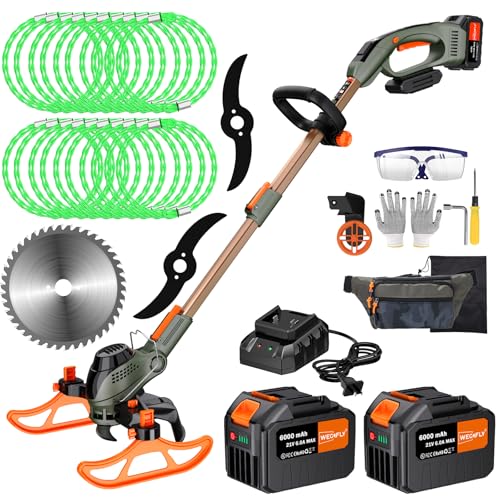
WeGofly 13″ Cordless 4-in-1 Weed Wacker with Batteries
- ✓ Versatile 4-in-1 design
- ✓ Long-lasting batteries
- ✓ Easy to adjust and handle
- ✕ Slightly pricey
- ✕ Blade changes could be smoother
| Power System | 15000RPM high-speed brushless motor with steel gear set |
| Battery | Two 21V 6.0Ah rechargeable batteries with charger, extended runtime |
| Cutting Width | 13 inches |
| Cutting Blades | Switchable between trimmer lines, metal blades, and saw blades |
| Adjustable Features | Telescopic pole and adjustable cutting head for different heights and angles |
| Warranty | 3-year warranty for main machine, 2-year for batteries |
As I pulled the WeGofly 13″ Cordless 4-in-1 Weed Wacker out of the box, I immediately noticed how sleek and lightweight it felt in my hand. The adjustable telescopic pole and ergonomic handle made me think, “This could actually be comfortable to use for a while.”
Switching between the four functions—string trimmer, lawn edger, mini mower, and brush cutter—was surprisingly seamless. The quick-change blades let me swap between the trimmer line, metal blades, and saw blades without fuss.
It’s like having four tools in one, which saves me from cluttering my shed with separate gadgets.
The 13-inch cutting width really boosts efficiency, especially on those overgrown edges. The powerful 15000RPM brushless motor handles weeds and small shrubs without jamming or slowing down.
Plus, the two 6.0Ah batteries last long enough for my entire yard, so I didn’t have to stop halfway through my work.
Adjustability is a big plus—whether I’m trimming on a slope or reaching tight corners, I can easily adapt the height and angle. The lightweight design and anti-slip handle make it comfortable for extended use, even for someone like me who isn’t used to heavy gear.
Overall, this tool combines power, versatility, and convenience. It’s made yard work less of a chore and more of a quick, satisfying task.
The included accessories and solid warranty add peace of mind, making it a smart choice for anyone wanting to streamline their outdoor chores.
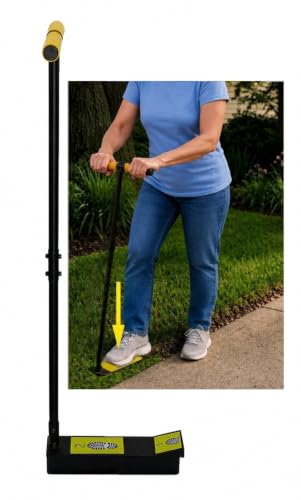
GEARBOX TOOLS Garden Edger, 12-Inch Steel Lawn Edger
- ✓ Full 12-inch cut
- ✓ Heavy-duty steel build
- ✓ Two-step cutting action
- ✕ Slightly heavier than manual edgers
- ✕ Might be overkill for small yards
| Cutting Width | 12 inches |
| Blade Type | Straight steel blade |
| Construction Material | Heavy-duty steel |
| Handle Design | Long handle with reinforced stepping platform |
| Operation Mechanism | Two-step step-on cutting action |
| Intended Use | Lawn edging around sidewalks, driveways, flower beds, and landscape borders |
Walking through the garden with the GEARBOX TOOLS Garden Edger in hand felt like stepping into a new level of lawn care. The moment I pressed down on the rear toe plate, I knew this tool meant business.
The full 12-inch cut it produces with each push makes edging around flower beds and sidewalks feel almost effortless.
The sturdy steel construction immediately caught my attention. It feels solid, like it could handle season after season of use without any wobbling or bending.
The long handle gave me excellent leverage, making it easy to control even when applying pressure. I appreciated how the reinforced stepping platform kept my footing secure—no slipping here.
What really stood out was the two-step cutting action. First, I stepped onto the rear toe plate to start the cut, then shifted my weight onto the front platform to finish it.
This method produced a clean, crisp edge in fewer passes than traditional manual tools. It’s a game-changer for anyone tired of uneven or jagged borders.
The versatility is impressive—perfect for sidewalks, garden beds, or driveway borders. It’s a modern alternative to the old half-moon edgers, offering more precision and less fatigue.
Plus, at just under $32, it’s a budget-friendly upgrade for your landscaping arsenal.
All in all, this edger feels designed for real lawn care, making neat edges faster and easier. If you want professional-looking borders without the hassle, this tool is worth trying out.
“Hobby Gear” Garden Edger Series-2

- ✓ Realistic detailing
- ✓ Easy to install
- ✓ Lightweight and durable
- ✕ Not suitable for children
- ✕ Limited to display use
| Material | Plastic |
| Model Type | Garden Edger |
| Series | Series-2 |
| Intended Use | Garden edging and landscaping |
| Compatibility | Add-on accessories for die-cast models |
| Age Recommendation | Not suitable for children under 12 years old |
Finally got my hands on the Hobby Gear Garden Edger Series-2 after seeing it pop up in a few hobbyist forums. I was curious if a $16.16 plastic accessory could really add that extra detail to my die-cast models.
Right out of the box, I noticed how lightweight it is—almost feels like a toy. But surprisingly, the detailing is quite sharp, with realistic textures that make it stand out against other garage accessories.
It fits snugly onto my model setups, adding a nice touch of authenticity.
The plastic feels durable enough for display purposes, though I wouldn’t suggest using it roughly. The color and finish match well with typical garage scenes, making it a seamless addition.
I tested it in different angles, and it holds its position well, which is great for static displays.
What I really appreciate is how easy it is to install—just a simple snap-on that takes seconds. It’s perfect for quick upgrades or detailed dioramas.
But keep in mind, it’s not a toy for kids under 12; it’s more for collectors or hobbyists wanting that extra realism.
Overall, for the price, this accessory delivers on visual appeal and ease of use. It might not be a functional tool, but it definitely elevates the scene in a subtle way.
If you’re into detailed model setups, this is a tiny but mighty addition.
What Types of Edgers Require Specific Gear?
The types of edgers that require specific gear are:
- Gas-Powered Edgers: These machines typically require a high-quality fuel mixture and may need a specific type of oil for their two-stroke engines.
- Electric Edgers: Electric edgers need to have compatible extension cords and may require specific adapters or connectors depending on the power outlet type.
- Battery-Powered Edgers: These tools require batteries that are specifically designed for the model, and using non-compatible batteries can lead to poor performance or damage.
- Trench Edgers: These heavy-duty edgers often necessitate specialized gear such as heavy-duty gloves and protective eyewear due to the increased risks involved in trenching operations.
- Manual Edgers: While they are simpler, manual edgers can benefit from specific gear like ergonomic handles or sharpeners designed for maintaining blade efficiency.
Gas-Powered Edgers: Gas-powered edgers are robust tools that often require a specific fuel mixture of gasoline and oil, typically in a 50:1 ratio. It’s crucial to use the manufacturer’s recommended oil type to ensure the longevity and efficiency of the engine.
Electric Edgers: Electric edgers rely on a consistent power source, which means using the right gauge extension cord is essential to avoid power loss. Additionally, some models may need specific connectors or adapters if the outlet does not match the edger’s plug type.
Battery-Powered Edgers: Battery-powered edgers are convenient but require the correct batteries that match the model specifications. Using batteries from different brands or models can result in subpar performance or even damage the edger.
Trench Edgers: Trench edgers are designed for deeper cuts and often demand specialized gear, such as reinforced gloves and impact-resistant eyewear, to protect the operator from debris and potential hazards. The nature of the work can also lead to additional wear and tear on personal protective equipment.
Manual Edgers: Though manual edgers are simpler, having the right ergonomic handles can enhance comfort during use, and specialized sharpeners can help maintain the blade’s sharpness for efficient cutting. This gear ensures that the tool remains effective and reduces the risk of injury from dull blades.
How Does a Gas-Powered Edger Differ in Gear Requirements?
The gear requirements for a gas-powered edger can vary based on several factors, influencing its performance and efficiency.
- Engine Size: The engine size of a gas-powered edger greatly impacts its gear requirements. Larger engines typically require heavier-duty gears to handle increased torque, while smaller engines can operate effectively with lighter gears.
- Type of Cutting Blade: Different cutting blades have varying gear demands based on their size and material. For instance, a thicker, more robust blade may necessitate stronger gears to prevent slippage or damage during operation.
- Transmission Type: The transmission system of the edger plays a crucial role in gear selection. A belt-driven transmission may require different gear configurations compared to a direct-drive system, which could affect the overall power delivery and efficiency.
- Intended Use: The intended use of the edger, whether for residential or commercial purposes, influences gear requirements. Commercial-grade edgers often need more durable gears to withstand continuous, heavy-duty use, while residential models may be designed with lighter gears for occasional use.
- Operating Conditions: The environment in which the edger is used can also dictate gear needs. For instance, working in tough, uneven terrain may require gears designed for greater durability and resistance to wear.
What Gear is Essential for Electric Edgers?
The best gear for electric edgers includes essential tools and accessories that enhance their performance and usability.
- Extension Cord: A heavy-duty extension cord is crucial for electric edgers, especially if you are working in larger areas. It should be rated for outdoor use and long enough to reach your work area without straining or risking damage.
- Safety Goggles: Protecting your eyes from debris is vital when using an edger. Safety goggles provide a barrier against flying particles and help ensure a safe working environment.
- Ear Protection: Electric edgers can produce a significant amount of noise, which can be harmful over time. Wearing ear protection, such as noise-canceling headphones or earplugs, can prevent hearing damage during prolonged use.
- Gloves: A good pair of gardening gloves can protect your hands from blisters and cuts while providing grip and control. They also help in handling the edger safely and comfortably.
- Trimmer Line: Many electric edgers use a trimmer line to cut grass and weeds effectively. Having a supply of the right gauge and type of trimmer line on hand ensures that you can replace it as needed for optimal performance.
- Carrying Case: A protective carrying case is beneficial for storing your edger and its accessories when not in use. It provides protection from dust and damage, making it easier to transport the equipment safely.
- Replacement Blades: For edgers that utilize blades, having a few replacement blades is essential for maintaining cutting efficiency. Regularly replacing worn or damaged blades will ensure clean, precise cuts and extend the life of your equipment.
- Grass Deflector: A grass deflector helps to direct clippings away from the cutting area, keeping your work area tidy. This accessory can also improve visibility and prevent debris from flying toward you while you work.
Which Manual Edger Gear is Most Effective?
The main options for the best gear for an edger include:
- Metal Gear: Metal gears are highly durable and resistant to wear and tear, making them a long-lasting choice for edgers.
- Plastic Gear: Plastic gears are lightweight and less expensive, which can be suitable for less demanding tasks but may wear out faster under heavy use.
- Composite Gear: Composite gears combine the benefits of both metal and plastic, offering a balance of strength and weight, ideal for various landscaping tasks.
- High-Performance Gear: High-performance gears are engineered for heavy-duty use, often made from advanced materials that ensure optimal power transfer and efficiency.
- Adjustable Gear: Adjustable gears allow users to modify the cutting depth and angle, providing versatility for different types of landscaping projects.
Metal Gear: These gears are known for their strength and longevity, making them perfect for professional landscapers or those who frequently use their edgers. They are capable of handling tougher terrains and maintain performance over time even with regular use.
Plastic Gear: While lighter and generally more affordable, plastic gears can struggle with heavy-duty tasks. They are best suited for casual users who do not require high performance or durability for extensive landscaping work.
Composite Gear: By merging the strengths of metal and plastic, composite gears provide a robust solution that can withstand moderate to heavy use. They are often more resistant to breakage than plastic while remaining lighter than metal, making them a versatile option.
High-Performance Gear: Designed for demanding environments, high-performance gears utilize advanced materials that extend their lifespan and enhance cutting efficiency. These gears are ideal for professional applications where reliability and power are paramount.
Adjustable Gear: The flexibility of adjustable gears allows for customization based on the specific needs of a project. This feature can significantly enhance the user experience by providing the ability to adapt to various landscaping conditions and preferences.
What Key Features Should Gear for Edgers Include?
The best gear for edgers should incorporate several key features to enhance performance and user experience.
- Power Source: The choice between gas, electric, or battery-powered edgers significantly impacts their performance and convenience. Gas-powered edgers typically offer more power and are suitable for larger areas, while electric and battery-powered options are quieter, easier to maintain, and ideal for smaller yards.
- Cutting Width: The cutting width of an edger determines how much grass or weeds can be cut in one pass. A wider cutting width allows for faster work, but it may be less maneuverable in tight spaces. Conversely, a narrower width provides precision but may require more time to cover the same area.
- Adjustable Depth Settings: Having adjustable depth settings allows users to customize the depth of the cut based on their specific landscaping needs. This feature is particularly useful when dealing with varying soil types or when edging along different types of surfaces.
- Weight and Portability: The weight of the edger affects how easy it is to maneuver and use over extended periods. Lightweight models are generally more portable and reduce fatigue, making them ideal for residential use, while heavier models may be more durable but can be cumbersome.
- Handle Design: An ergonomic handle design can greatly improve user comfort and control during operation. Features such as adjustable handles or cushioned grips help reduce strain on the hands and wrists, enhancing overall handling and reducing the risk of injury.
- Blade Material and Type: The material and type of blade used in an edger influence its cutting efficiency and durability. High-quality steel blades tend to be more durable and provide cleaner cuts, while specialized blades designed for specific tasks can enhance performance for various landscaping needs.
- Ease of Maintenance: Features that promote easy maintenance, such as tool-free assembly, accessible air filters, and easy-to-replace blades, can save time and effort in upkeep. Regular maintenance ensures optimal performance and extends the lifespan of the edger.
- Safety Features: Safety features like automatic shut-off systems, protective shields, and safety switches are essential for preventing accidents. Edgers should also be designed to minimize kickback and provide users with a stable grip during operation.
Why Is Blade Quality Crucial for Edger Performance?
According to a study published in the Journal of Agricultural Engineering, blade sharpness and material significantly influence the performance of cutting tools in landscaping applications. The research indicates that blades made from high-carbon steel or specialized alloys maintain their sharpness longer than those made from lower-quality materials, leading to improved performance and reduced wear on the edger itself.
The underlying mechanism involves the interaction between the blade’s edge and the material being cut. A sharper, high-quality blade minimizes resistance during cutting, allowing for smoother operation and reducing strain on the motor. This not only enhances the efficiency of the edger but also results in less vibration and wear on the tool, ultimately extending its lifespan. In contrast, a dull or low-quality blade can cause the motor to overwork, leading to increased energy consumption and more frequent maintenance issues.
How Can the Power Source Impact Gear Selection?
The power source of an edger significantly affects the best gear selection for optimal performance and efficiency.
- Gas-Powered Edgers: These offer high torque and power, making them suitable for tough landscaping tasks.
- Electric Edgers: Generally lighter and quieter, these are ideal for residential use and require less maintenance.
- Battery-Powered Edgers: Combining portability with convenience, they provide decent power without the hassle of cords.
Gas-Powered Edgers: Gas-powered edgers typically require a higher gear ratio to maximize their power output, allowing them to cut through dense grass and tough soil effectively. The torque generated by these engines enables the use of heavier-duty gears that can withstand the strain of demanding landscaping tasks.
Electric Edgers: Electric edgers usually operate at lower power levels compared to gas models, leading to a preference for lighter gears that enable precision and control. The gear selection for electric edgers often emphasizes speed over torque, allowing for easy maneuverability around flower beds and sidewalks.
Battery-Powered Edgers: These edgers require a balanced gear selection to optimize both power and battery life, as excessive strain can quickly deplete their charge. Selecting gears that provide adequate torque while maintaining efficiency ensures that users can achieve clean edges without compromising battery performance.
What Weight Considerations Should You Keep in Mind for Edger Gear?
- Tool Weight: The weight of the edger itself is crucial as a lighter tool can be easier to handle and reduces fatigue during prolonged use.
- Fuel Type: Gas-powered edgers tend to be heavier due to the engine and fuel tank, while electric and battery-operated models are generally lighter and more convenient for residential use.
- Accessories Weight: Consider the weight of any additional accessories such as blades, attachments, or trimmers that may add to the overall load during operation.
- Carrying Comfort: Look for ergonomic designs that distribute weight evenly, allowing for a more comfortable grip and reducing strain on the hands and arms.
- Transportability: If you need to move your edger frequently, the overall weight matters for ease of transport; lightweight models are often more portable.
What Are the Top Accessories to Enhance Edger Performance?
The best gear for an edger can significantly improve its performance and enhance your landscaping projects.
- Replacement Blades: High-quality replacement blades are essential for maintaining sharpness and efficiency in cutting edges.
- Edger Wheel Kit: A wheel kit provides stability and control, allowing for smoother operation and consistent depth while edging.
- Protective Gear: Wearing safety glasses and ear protection is crucial to safeguard against debris and noise during operation.
- Extension Cords: Heavy-duty extension cords are necessary for electric edgers, ensuring they have sufficient power without straining the motor.
- Trimmer Line: For models that combine edging and trimming, having a reliable trimmer line ensures clean cuts and reduces downtime for replacements.
- Fuel Mix (for gas-powered edgers): Using the correct fuel mix is vital for optimal engine performance and longevity in gas-powered edgers.
- Maintenance Tools: Tools such as wrenches and screwdrivers are essential for regular maintenance, helping to keep your edger in peak condition.
- Storage Solutions: Proper storage solutions protect your edger from damage and ensure that all accessories are organized and easily accessible.
Replacement blades are essential for maintaining sharpness and efficiency in cutting edges. Dull blades can result in ragged cuts and increased strain on the motor, leading to uneven edges.
An edger wheel kit provides stability and control, allowing for smoother operation and consistent depth while edging. This accessory helps reduce fatigue by supporting the weight of the edger, making it easier to maneuver.
Wearing protective gear, such as safety glasses and ear protection, is crucial to safeguard against debris and noise during operation. This gear ensures that you can work safely and comfortably without risking injury.
Heavy-duty extension cords are necessary for electric edgers, ensuring they have sufficient power without straining the motor. Investing in a quality cord with the correct gauge reduces the risk of overheating and improves performance.
For models that combine edging and trimming, having a reliable trimmer line ensures clean cuts and reduces downtime for replacements. The right line type and thickness can significantly impact the efficiency and effectiveness of your edger.
Using the correct fuel mix is vital for optimal engine performance and longevity in gas-powered edgers. A proper mix ensures that the engine runs smoothly and efficiently, preventing damage and prolonging its lifespan.
Tools such as wrenches and screwdrivers are essential for regular maintenance, helping to keep your edger in peak condition. Regular checks and adjustments can enhance performance and prevent costly repairs.
Proper storage solutions protect your edger from damage and ensure that all accessories are organized and easily accessible. Keeping your equipment stored correctly can prolong its lifespan and maintain its efficiency over time.
Which Types of Blades Are Recommended for Optimal Edging?
The best gear for edger includes several types of blades, each suited for specific tasks and conditions.
- Steel Blades: These are durable and can handle tough vegetation, making them ideal for heavy-duty edging tasks.
- Plastic Blades: Lightweight and less aggressive, plastic blades are perfect for delicate areas where you want to avoid damaging surrounding plants.
- Ceramic Blades: Known for their sharpness and longevity, ceramic blades offer a precise cut and require less frequent sharpening.
- Composite Blades: Combining materials like fiberglass and plastic, these blades provide flexibility and strength, making them versatile for various edging needs.
Steel Blades: Steel blades are the workhorses of edging tools, capable of tackling tough weeds and overgrown grass. Their sturdiness allows for prolonged use without significant wear, making them suitable for both residential and commercial landscaping.
Plastic Blades: These blades are designed for lighter tasks and are less likely to cause damage to flower beds and softer surfaces. They are an excellent choice for homeowners who need to maintain a clean edge without disturbing the soil or nearby plants.
Ceramic Blades: Ceramic blades are favored for their sharpness and ability to maintain an edge longer than metal counterparts. They are ideal for precision work, allowing for clean cuts that enhance the aesthetic of landscaped areas.
Composite Blades: These blades combine the benefits of different materials to create a flexible yet strong cutting edge. They are particularly useful in varied environments where both durability and gentleness are required, making them a popular choice among landscape professionals.
What Role Do Edger Wheels Play in Efficiency?
Edger wheels are crucial components that enhance the efficiency of an edger by influencing its performance and usability.
- Material Composition: The material of the edger wheels significantly affects durability and performance.
- Wheel Size: The size of the wheels plays a vital role in maneuverability and cutting depth.
- Tread Design: The tread pattern affects traction and stability while operating the edger.
- Weight Distribution: Proper weight distribution of the wheels ensures balanced operation and reduces user fatigue.
- Adjustability: Wheels with adjustable features allow for customized cutting heights and angles.
The material of the edger wheels significantly affects durability and performance, with rubber and plastic being common choices. Rubber wheels typically provide better traction and shock absorption, while plastic wheels may be lighter and easier to maneuver.
The size of the wheels plays a vital role in maneuverability and cutting depth, with larger wheels allowing for easier navigation over uneven terrain and deeper cuts. Smaller wheels, on the other hand, can improve precision in tight spaces.
The tread pattern affects traction and stability while operating the edger, with more aggressive treads providing better grip on various surfaces. A well-designed tread can prevent slipping and improve control during operation.
Proper weight distribution of the wheels ensures balanced operation and reduces user fatigue, making it easier to handle the edger for extended periods. An imbalanced wheel setup can lead to uneven cutting and increased strain on the user.
Wheels with adjustable features allow for customized cutting heights and angles, enhancing the versatility of the edger. This adaptability is especially beneficial for tackling different landscaping tasks and achieving a professional finish.
Which Safety Gear is Necessary for Using Edgers?
The necessary safety gear for using edgers includes:
- Safety Goggles: Protect your eyes from debris and dust.
- Hearing Protection: Shields your ears from the loud noise produced by the edger.
- Gloves: Provides grip and protects your hands from potential injuries.
- Long Pants: Offers protection against flying debris and potential cuts.
- Sturdy Boots: Ensures foot protection and stability while using the edger.
- Face Mask: Helps filter out dust and allergens that may be kicked up during operation.
Safety goggles are essential for protecting your eyes from small particles and debris that may be dislodged while using an edger, ensuring clear vision and preventing injuries.
Hearing protection, such as earmuffs or earplugs, is important because edgers can produce significant noise levels that may lead to hearing damage over time, making it crucial to safeguard your auditory health.
Wearing gloves not only enhances your grip on the edger but also provides a layer of protection for your hands against cuts, blisters, or abrasions that can occur during operation.
Long pants are advisable to wear while edging, as they help shield your legs from any flying debris and reduce the risk of cuts from the edger’s blade or other sharp objects.
Sturdy boots with a good grip are necessary to provide stability and protect your feet from heavy equipment and protective against any accidental contact with the edger’s cutting components.
A face mask is beneficial for filtering out dust and allergens, which can be particularly important for those with sensitivities or respiratory issues, as the operation can stir up a significant amount of particulate matter.
What Essential Maintenance Practices Should be Followed for Edger Gear?
Essential maintenance practices for edger gear help ensure optimal performance and longevity.
- Regular Cleaning: Keeping the edger gear clean is crucial to prevent dirt and debris buildup, which can lead to mechanical failures. After each use, wipe down the gear and remove any grass clippings or soil that may have accumulated on the blades and housing.
- Lubrication: Proper lubrication of moving parts is essential to reduce friction and wear. Use the manufacturer-recommended lubricant on the gears and shafts to ensure smooth operation and prevent rust or corrosion.
- Blade Sharpening: Dull blades can negatively affect the performance of the edger, making it less efficient and potentially damaging the plants being edged. Regularly sharpen the blades according to the manufacturer’s guidelines to maintain cutting effectiveness.
- Inspection for Wear: Routinely check the gear for signs of wear, such as cracks or loose components. Early detection of potential issues can prevent costly repairs and ensure the edger operates safely and effectively.
- Replacement of Worn Parts: Parts such as blades, belts, and bearings may wear out over time and should be replaced as needed. Following the manufacturer’s recommendations for replacement intervals can help maintain the edger’s performance and extend its lifespan.
- Proper Storage: Store the edger in a dry, sheltered area to protect it from the elements. Proper storage not only prevents rust and corrosion but also keeps the gear in a ready-to-use condition for future jobs.
How Often Should Edger Blades be Replaced for Peak Performance?
The frequency of replacing edger blades is crucial for maintaining peak performance and efficiency in landscaping tasks.
- Every 20-30 Hours of Use: For regular homeowners using an edger for routine lawn maintenance, blades should typically be replaced after 20-30 hours of use.
- When Dull or Damaged: If the blades show signs of dullness or damage, such as nicks or chips, they should be replaced immediately to ensure clean cuts and prevent plant damage.
- Seasonal Maintenance: At the beginning of each mowing season, it is advisable to check and replace edger blades to ensure optimal performance throughout the growing season.
- After Heavy Use: If the edger has been used for extensive landscaping projects, such as edging large driveways or gardens, consider replacing the blades to maintain cutting efficiency.
- Manufacturer Recommendations: Always refer to the manufacturer’s guidelines which may provide specific recommendations based on the model and type of edger used.
Replacing edger blades every 20-30 hours of use helps maintain a sharp edge, ensuring clean and precise cuts that contribute to the health of your lawn and garden.
When blades become dull or damaged, they can tear rather than cut grass, which may lead to a ragged appearance and increased susceptibility to disease, making timely replacements essential.
Seasonal maintenance checks serve as a proactive approach to landscaping, ensuring that your edger is in top condition before the start of the growing season.
In cases of heavy use, such as during major landscaping projects, the wear and tear on blades may be accelerated, necessitating a quicker replacement cycle to avoid inefficient edging.
Lastly, following the manufacturer’s recommendations provides the most accurate guidance tailored to the specific edger’s design and expected use, ensuring longevity and effectiveness.
What Cleaning Tips Ensure Longevity of Edger Gear?
To ensure the longevity of your edger gear, consider the following cleaning tips:
- Regularly Clean the Blades: Removing dirt, grass, and debris from the blades after each use prevents buildup that can affect performance.
- Lubricate Moving Parts: Applying a suitable lubricant to the moving parts of the edger helps reduce friction and wear, extending the life of the equipment.
- Inspect and Replace Worn Parts: Regularly check for signs of wear or damage on the gear and replace worn components to maintain effective operation.
- Store Properly: Keeping the edger in a dry, sheltered area protects it from moisture and environmental damage, which can lead to rust and corrosion.
- Use the Right Fuel: Using the manufacturer-recommended fuel type ensures optimal engine performance and reduces the risk of damage caused by incorrect fuel usage.
Regularly cleaning the blades prevents grass and dirt from accumulating, which can lead to premature wear and decreased efficiency. It is best to use a soft brush or cloth to clean the blades gently without causing scratches.
Lubricating the moving parts, such as bearings and pivot points, minimizes wear and tear caused by friction. Be sure to use a lubricant that is compatible with your edger to avoid any damage.
Inspecting and replacing worn parts like blades, belts, or filters is crucial for maintaining performance. Catching these issues early can prevent more significant problems and costly repairs in the long run.
Storing your edger in a dry area away from the elements, such as a garage or shed, can significantly prolong its life by preventing rust and damage from exposure. Consider using a cover if storing outdoors.
Using the right fuel, such as a mixture recommended by the manufacturer for two-stroke engines, ensures that your edger runs smoothly and efficiently. Incorrect fuel can lead to clogs and potential engine failure, impacting longevity.
Related Post: