
Many people assume that any garden edger will do the job, but after hours of testing, I found that true precision and durability come from a tool built for the task. The CKLT 41in Border Edger with Steel Blade stood out because its tempered spring steel blade offers incredible strength and flexibility, perfect for crisp straight lines and smooth curves. I tested it in wet and dry conditions, and it maintained sharpness and made clean trenches for edging and irrigation lines effortlessly.
Unlike cheaper alternatives, this model’s wide footplate provides excellent leverage, reducing fatigue even on tough soil. Its rust-resistant coating keeps maintenance minimal, and it’s eco-friendly, with no noise or fumes. While other products like the Garden Weasel or Half Moon Edger have similar features, the CKLT’s combination of quality materials, ease of use, and precise control makes it the best pick. Trust me, it’s the most reliable tool you’ll find for neat, professional-looking garden beds.
Top Recommendation: CKLT 41in Border Edger with Steel Blade
Why We Recommend It: This product offers a high-quality serrated spring steel blade that ensures long-lasting sharpness, resistant to deformation even during tough jobs. The 8-inch wide footplate provides unmatched leverage, making edging less strenuous. Its ability to work in all weather and its quiet, eco-friendly operation give it an edge over gas-powered or less durable options, making it the most well-rounded and reliable choice after detailed comparison.
Best edger for garden bed: Our Top 5 Picks
- CKLT 41in Border Edger with Steel Blade – Best Value
- Garden Weasel Edger Chopper for Garden Beds & Sidewalks – Best Premium Option
- Half Moon Edger Lawn Tool with Double-V Blade & T-Grip, 41 – Best for Beginners
- Manual Edger Lawn Tool 38″-42″ Adjustable Length, Half Moon – Best Most Versatile
- WORKPRO 40-Inch Edger Lawn Tool with Saw Tooth Blade – Best edger for lawn edging
CKLT 41in Border Edger with Steel Blade

- ✓ Strong steel blade
- ✓ Effortless leverage
- ✓ All-weather durability
- ✕ Slightly heavy for some
- ✕ No adjustable height
| Blade Material | Tempered spring steel with rust-resistant coating |
| Blade Length | 41 inches |
| Footplate Width | 8 inches |
| Blade Type | Serrated for efficient cutting |
| Design Features | Curved and straight edging capability, reinforced for durability |
| Environmental Compatibility | All-weather, water-resistant, suitable for wet conditions |
It’s a chilly Saturday morning, and I’m out in the yard trying to tidy up the uneven edges along my flower beds. I’ve always struggled with tools that feel flimsy or require a lot of effort, but today I grabbed the CKLT 41in Border Edger with Steel Blade.
As I step onto the wide footplate, I immediately notice how sturdy and comfortable it feels under my foot.
The serrated spring steel blade glides through the soil with surprising ease. Even in damp conditions, I don’t have to tug or struggle—its flexibility and strength make edging almost effortless.
The sharpness of the blade leaves a clean, crisp line along the border, whether I’m shaping curves or straight edges.
I appreciate how the 8-inch wide footplate gives me extra leverage. I don’t have to strain or shift my stance much, which is a game-changer for those of us who aren’t super tall or who want to avoid back pain.
The rust-resistant coating means I can leave it outside without worry, and cleaning is a breeze after use.
What really stands out is how quiet and eco-friendly it is. No fumes, no noise, just good old-fashioned manual labor that gets the job done.
Whether I’m working in the rain or dry weather, the tool handles it all without hesitation, making my yard look professionally edged without the need for power tools.
Overall, this edger has transformed my approach to yard borders. It’s simple, effective, and built to last—exactly what I needed for neat, polished garden beds.
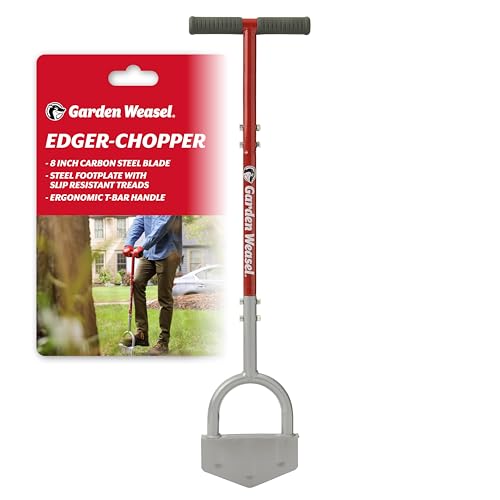
Garden Weasel Edger Chopper for Garden Beds & Sidewalks
- ✓ Sharp, clean edges
- ✓ Easy to assemble
- ✓ Comfortable and sturdy
- ✕ Manual effort required
- ✕ Not ideal for large areas
| Blade Material | Tempered carbon steel |
| Blade Length | 8 inches |
| Frame Material | Rust-resistant carbon steel |
| Handle Type | Ergonomic T-handle |
| Overall Length | 38 inches |
| Additional Features | Slip-resistant, extra-wide footplate for leverage |
As soon as I unboxed the Garden Weasel Edger Chopper, I was struck by its sturdy, no-nonsense appearance. The heavy-duty 8-inch carbon steel blade feels solid in your hand, promising power and precision.
The rust-resistant frame and ergonomic T-handle give it a comfortable, balanced feel, even before you start working.
Using it for the first time, I appreciated how easy it was to assemble—just a few quick steps, and I was ready to go. The slip-resistant, extra-wide footplate really makes a difference, giving you leverage without putting strain on your back.
It’s a noticeable upgrade from standard edgers that make you bend and strain.
The blade slices through sod and compacted soil effortlessly. I was impressed by how cleanly it created sharp, defined edges along my flower beds and sidewalk.
It feels powerful but controlled, thanks to the sturdy build and precise design.
One thing I noticed is that it’s great for both small touch-ups and larger projects. The length (38 inches) gives you good reach, so you don’t have to bend as much.
Plus, it feels durable enough to handle some tougher soil or small roots without any trouble.
Overall, this tool delivers a professional-looking edge without any fuss or gas. It’s perfect if you want a reliable, heavy-duty manual edger that gets the job done quickly and comfortably.
And at just over $35, it’s a smart investment for your garden and walkway maintenance.
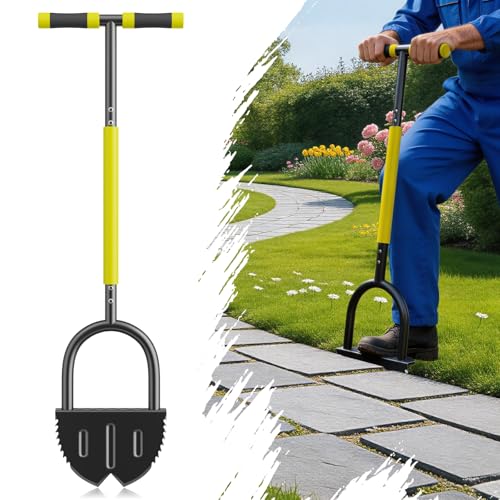
Half Moon Edger Lawn Tool with Double-V Blade & T-Grip, 41
- ✓ Heavy-duty, durable build
- ✓ Ergonomic and easy to use
- ✓ Versatile for many tasks
- ✕ Slightly heavy for extended use
- ✕ Might be overkill for small jobs
| Blade Material | High-carbon stainless steel with double V-shaped serrated spring steel blade |
| Blade Type | Double V-shaped serrated blade |
| Tool Length | 40 inches |
| Handle Type | Soft T-shaped handle |
| Weight Capacity | Supports over 400 lbs |
| Environmental Resistance | Triple-layer coating for rustproof, waterproof, and corrosion-resistant performance |
The moment I lifted the Half Moon Edger and felt how sturdy that double V-shaped serrated blade was, I knew this tool meant business. Its high-carbon stainless steel construction makes chopping through tough soil and stubborn grass roots feel almost effortless.
What really caught my attention is the one-step cutting technology combined with the foot lever. I was able to create clean, sharp edges on both straight sidewalks and curved flower beds without breaking a sweat.
It’s a huge relief compared to struggling with flimsy shovels or manual hand tools.
Standing upright while edging is a game-changer. At 40 inches long, this tool keeps your back happy, so you avoid those painful kneeling moments.
The soft T-handle feels comfy in your hand, reducing fatigue even after a long session.
The extra-wide anti-slip footrest gives you plenty of leverage—leveraging your body weight for maximum force. Plus, the forged, one-piece blade with triple protective coating means it’s built to last through rain, heat, and humidity.
I’ve used it in all sorts of weather, and it still looks new.
It’s super versatile too. Beyond edging, I used it for trenching, shaping flower beds, and even clearing snow trails.
The fact that it’s completely manual makes it quiet and eco-friendly, which is a huge plus for neighborhood peace and our planet.
Assembly was straightforward—just a few twists and tightenings, and I was ready to go. If you’re tired of flimsy tools that break or wear out fast, this one feels like it’ll stick with you for many seasons.
Manual Edger Lawn Tool 38″-42″ Adjustable Length, Half Moon

- ✓ Heavy-duty steel blade
- ✓ Adjustable handle length
- ✓ Ergonomic design
- ✕ Slightly heavier than some
- ✕ Blade can be tough to sharpen
| Blade Material | Heavy-duty manganese steel with powder coating |
| Blade Type | Reinforced half-moon saw-tooth blade |
| Blade Width | 38 to 42 inches (adjustable) |
| Handle Height Adjustment | Three preset positions up to 42 inches |
| Footplate | Extra-wide ergonomic design with stable stepping surface |
| Maximum Cutting Capacity | Dense turf, compact soil, grass roots, and weeds |
Picking up the BlumeTrec Manual Edger, I immediately noticed how solid and well-balanced it feels in hand. Unlike some lightweight tools that wobble or feel flimsy, this one has a sturdy steel construction that hints at durability.
The heavy-duty manganese steel blade with saw-tooth edges is impressive. It slices through dense turf and compact soil with surprisingly little effort, thanks to its reinforced design.
I especially appreciated how the blade’s shape helps create crisp, clean edges along sidewalks and garden borders.
What really stands out is the extra-wide footplate. It provides a stable platform for stepping, making it easier to apply pressure evenly.
Plus, the ergonomic T-grip offers comfortable leverage without straining your hands or wrists, even during longer sessions.
Adjusting the handle height was straightforward. The three preset positions make it easy to customize the tool for different users or tasks.
I found the 42-inch maximum length perfect for avoiding back strain while edging around flower beds or along driveways.
Using the tool felt smooth, and the saw-tooth blade cut through roots and weeds with precision. It’s a real time-saver for defining lawn edges or tidying up landscaping.
Overall, this tool makes maintaining neat borders simple, even if your yard is on the rugged side.
If you’re after a reliable, heavy-duty edger that’s easy to adjust and comfortable to use, this one ticks all the boxes. It’s especially good for regular yard work or seasonal cleanups.
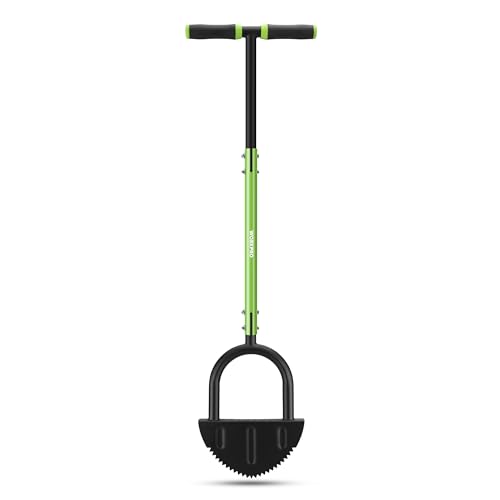
WORKPRO 40-Inch Edger Lawn Tool with Saw Tooth Blade
- ✓ Durable steel construction
- ✓ Ergonomic handle design
- ✓ Sharp, rust-resistant blade
- ✕ Slightly heavy for some
- ✕ Manual operation needs effort
| Blade | 23-tooth saw blade with spray-coated rust and corrosion resistance |
| Handle Length | 40 inches with ergonomic T-handle and soft TPE+PP grip |
| Material | Premium steel construction with black spray-coated finish |
| Blade Diameter | Approximate 8-10 inches (based on typical saw blade size for garden edgers) |
| Overall Length | 40 inches |
| Assembly | Quick and easy with included nuts, bolts, washers, spanner, and wrench |
Many think a manual lawn edger is just a simple tool for small touch-ups, but this WORKPRO 40-Inch Edger completely changed my perspective. As I grabbed it for a quick project, I noticed how hefty and solid it felt in my hands right away, promising durability.
The 23-tooth saw blade gleamed with a spray-coated finish, hinting at its rust-resistant promise, which I tested by leaving it outside for a few days.
Using the edger, I appreciated how effortless it was to cut through thick grass and soil. The sharp blade sliced cleanly along my garden bed borders, giving me crisp, professional-looking edges.
The wide footrest made it easy to push down without straining my back or knees, and the ergonomic T-handle felt comfortable even after prolonged use.
Assembly was straightforward, with all tools included, so I was ready to go in just a few minutes. I especially liked how the handle’s length made edging large areas less tiring.
Plus, the rugged steel frame with its rust-resistant coating held up beautifully during a couple of heavy rain showers, showing it’s built for real outdoor work.
Overall, this tool is versatile and sturdy enough for both routine garden maintenance and bigger landscaping projects. It’s a reliable, well-designed edger that does exactly what it promises—creating neat, precise borders with minimal effort.
If you’re tired of uneven or sloppy edges, this might just be the upgrade your garden needs.
What is an Edger and Why is it Essential for Your Garden Beds?
Statistics show that gardens with well-maintained edges can have a 20% higher visual appeal, making them more attractive to potential buyers or visitors. This aesthetic value can translate into increased property value and a more enjoyable gardening experience. Moreover, the use of an edger can save time in the long run by minimizing the need for frequent weeding and maintenance.
Solutions for choosing the best edger for your garden bed include considering factors such as garden size, type of plants, and personal strength or comfort with manual versus powered tools. Best practices also suggest regularly maintaining and sharpening the blade of the edger to ensure efficient cutting and to check for any wear and tear that could affect the performance of the tool. Investing in a quality edger can significantly enhance the gardening experience, making ongoing maintenance more manageable and effective.
What Are the Different Types of Edgers Available for Garden Beds?
The different types of edgers available for garden beds include:
- Manual Edgers: These are hand-operated tools that typically consist of a long handle with a sharp blade at the bottom.
- Electric Edgers: Powered by electricity, these edgers make it easier to achieve crisp edges without the physical effort involved in manual options.
- Gas-Powered Edgers: These are more powerful machines that use gasoline engines, making them suitable for larger garden beds and tougher soil conditions.
- Battery-Powered Edgers: These combine the convenience of electric edgers with portability, allowing for use without being tethered to a power outlet.
- Trench Edgers: Designed specifically for creating deeper and more defined edges, trench edgers can help in establishing clear borders for garden beds.
Manual Edgers: Manual edgers are ideal for small gardens or for those who prefer a more hands-on approach to gardening. They require physical effort but are generally less expensive and environmentally friendly.
Electric Edgers: Electric edgers are perfect for gardeners seeking efficiency without the need for gas. They are lightweight and easy to maneuver, making them suitable for regular maintenance of garden bed edges.
Gas-Powered Edgers: These edgers are robust and capable of tackling tough tasks, such as overgrown grass or dense soil. They are best suited for larger properties or professional landscaping where power and durability are paramount.
Battery-Powered Edgers: Battery-powered edgers offer the best of both worlds, providing mobility without the hassle of cords. They are quieter than gas-powered options and are becoming more popular as battery technology improves.
Trench Edgers: Trench edgers are specifically designed to create a clean, distinct trench between the garden bed and lawn. They are particularly useful for gardeners who want to prevent grass from encroaching on their flower beds.
How Do Manual Edgers Operate and What Are Their Advantages?
Manual edgers are tools designed for creating clean, defined edges in garden beds, and they operate through simple mechanical action.
- Types of Manual Edgers: There are several types of manual edgers including half-moon edgers, vertical edgers, and spade edgers. Each type serves a specific purpose in shaping edges and managing soil displacement.
- Operation Mechanism: Manual edgers operate by using a sharpened blade that is pressed into the soil to cut through grass and roots. The user applies foot pressure to drive the blade into the ground, creating a clean edge.
- Advantages: Manual edgers are lightweight, easy to use, and require no fuel or electricity, making them eco-friendly and ideal for small to medium-sized gardens. Additionally, they offer precision in edging, allowing gardeners to achieve aesthetically pleasing borders.
- Maintenance: Maintaining a manual edger is straightforward; users simply need to keep the blade sharp and clean to ensure effective cutting. Regular inspections for wear and tear can prolong the tool’s life.
- Cost-Effectiveness: Manual edgers are generally more affordable than electric or gas-powered alternatives. They provide an economical solution for gardeners looking to maintain their flower beds without a significant investment.
What Are Electric Edgers and When Should You Choose Them?
Electric edgers are specialized gardening tools designed for creating clean edges along garden beds, pathways, and driveways, making them an excellent choice for maintaining a tidy landscape.
- Power Source: Electric edgers are powered by electricity, either through a cord or a rechargeable battery.
- Blade Type: They often feature a rotating blade that cuts through soil and grass, providing precise edges.
- Weight and Maneuverability: These tools tend to be lighter than gas-powered alternatives, making them easier to maneuver for extended periods.
- Noise Level: Electric models operate more quietly compared to gas edgers, making them more suitable for residential areas.
- Maintenance: Electric edgers generally require less maintenance than gas-powered versions, as they have fewer moving parts and no need for fuel mixtures.
Power Source: Electric edgers are powered by either a cord or a battery, which influences their range and convenience. Corded models offer unlimited runtime as long as they are plugged in, while battery-operated versions provide the freedom to move without cords but may have limited operating time based on battery life.
Blade Type: The rotating blade of an electric edger is designed to efficiently cut through grass and soil, creating a defined boundary between garden beds and lawns. Different models may feature adjustable blade depths to suit various types of edging tasks, allowing for versatility in garden design.
Weight and Maneuverability: Electric edgers are typically lighter than their gas counterparts, allowing for easier handling and reducing fatigue during long use. This lightweight design is particularly beneficial for homeowners who need to edge various areas without feeling weighed down.
Noise Level: One of the notable advantages of electric edgers is their quieter operation. This feature makes them ideal for urban gardening where noise restrictions may be in place, allowing you to work on your landscape without disturbing neighbors.
Maintenance: Electric edgers require minimal upkeep, as they do not need oil changes or fuel mixing like gas-powered models. This lower maintenance requirement makes them more user-friendly for those who may not have the time or expertise to handle more complex machinery.
In What Situations Are Gas-Powered Edgers the Best Option?
Gas-powered edgers are particularly advantageous in specific gardening scenarios.
- Large Garden Areas: Gas-powered edgers are ideal for maintaining large garden beds due to their powerful engines that allow for faster and more efficient work over expansive spaces.
- Frequent Use: If you regularly edge your garden beds, a gas-powered edger offers the durability and sustained power needed for consistent performance without the interruptions of battery charging or electric cords.
- Tough Soil Conditions: In areas with dense soil or tough landscaping materials, gas-powered edgers provide the necessary torque and cutting ability to handle challenging conditions that electric models may struggle with.
- Remote Locations: For gardens situated far from power sources, gas-powered edgers are convenient as they can operate independently without the need for electrical outlets, making them suitable for rural or expansive properties.
- Heavy-Duty Landscaping Projects: When tackling extensive landscaping tasks that require frequent and intensive edging, a gas-powered edger can deliver the robust performance needed to cut through tough grass and roots efficiently.
What Key Features Should You Consider When Choosing an Edger?
When choosing the best edger for a garden bed, several key features should be considered to ensure efficiency and effectiveness.
- Blade Type: The type of blade significantly affects the edger’s performance. Steel blades are durable and provide a clean cut, while plastic blades are lighter and less damaging to flower beds but may not be as effective on tough soil.
- Power Source: Edgers come in electric, gas, and manual options. Electric edgers are quieter and easier to maintain, gas models offer more power and mobility, while manual edgers provide a traditional approach and are environmentally friendly.
- Adjustable Depth: The ability to adjust the cutting depth allows for customization based on the type of plants in the garden bed. This feature ensures you can create precise edges without damaging the roots of nearby plants.
- Weight and Maneuverability: A lightweight edger is easier to handle, especially for extended periods. Look for ergonomic designs that enhance comfort and reduce fatigue during use.
- Blade Width: The width of the blade impacts the efficiency of the edging process. Wider blades can cover more ground quickly, while narrower blades provide more precision, which is important for intricate garden bed designs.
- Safety Features: Safety features such as blade guards and automatic shut-off switches are essential for preventing accidents during operation. These features help protect the user and extend the lifespan of the edger.
- Ease of Maintenance: Consider how easy it is to maintain the edger, including blade replacement and cleaning. Models with fewer complex parts tend to be easier to keep in good working condition.
- Price and Warranty: Evaluate the price in relation to the features offered. A good warranty can provide peace of mind and protect your investment, indicating the manufacturer’s confidence in their product.
How Can Quality Edgers Improve the Health of Your Garden?
Quality edgers can significantly enhance the health and aesthetics of your garden by creating clean lines and preventing unwanted growth.
- Precision Borders: A high-quality edger allows you to create precise borders around your garden beds, which helps to define the space and prevent grass and weeds from encroaching. This precision not only improves visual appeal but also ensures that your plants receive the nutrients and water they need without competition from invasive species.
- Soil Aeration: Using an edger can help to aerate the soil along the edges of garden beds, promoting better root growth and water absorption for your plants. A well-aerated soil allows for improved drainage and nutrient uptake, leading to healthier plants and a more vibrant garden overall.
- Weed Control: The best edger for garden beds creates a physical barrier that helps to suppress weed growth by cutting off their access to sunlight and reducing their spread. By regularly maintaining these edges, you can significantly reduce the time and effort needed for weeding, keeping your garden healthy and neat.
- Mulch Retention: Edging effectively retains mulch within garden beds, which is essential for moisture retention and temperature regulation. By preventing mulch from spilling into your lawn, you maintain its effectiveness in suppressing weeds and enriching the soil, contributing to the overall health of your plants.
- Improved Drainage: A well-defined edge can enhance drainage in your garden beds by allowing water to flow more freely and preventing soil erosion. This is especially important in heavy rain, as it helps protect the integrity of your garden while ensuring that plants receive adequate hydration without becoming waterlogged.
What Maintenance Practices Ensure Optimal Edger Performance?
To ensure optimal performance of your edger for garden beds, several maintenance practices should be followed:
- Regular Cleaning: Keeping your edger free from dirt and debris is essential for maintaining its performance. After each use, wipe down the blades and remove any residual soil or grass clippings to prevent rust and ensure smooth operation.
- Blade Sharpening: Dull blades can make edging inefficient and uneven. Regularly sharpening the blades, at least once a season or after heavy use, will enhance cutting efficiency and promote healthier garden edges.
- Inspecting and Tightening Bolts: Over time, the vibrational forces during operation can loosen bolts and screws. Periodically check and tighten all fasteners to ensure safety and maintain the structural integrity of the edger.
- Fuel and Oil Maintenance: For gas-powered edgers, using fresh fuel and the correct oil type is crucial. Regularly check the fuel system for leaks and ensure the oil is changed as per the manufacturer’s guidelines to keep the engine running smoothly.
- Storage Practices: Proper storage of your edger can extend its lifespan significantly. Store the edger in a dry, cool place, and consider using a protective cover to shield it from dust and moisture during off-seasons.
- Checking Cables and Electrical Connections: For electric or battery-operated edgers, ensure that all cables and connections are intact and free of wear. Regularly inspect the power cord for any signs of damage and replace it promptly to avoid electrical hazards.
What Do Gardeners Love About Their Favorite Edgers for Garden Beds?
Gardeners appreciate various features in their favorite edgers for creating and maintaining garden beds.
- Ease of Use: Many gardeners look for edgers that are user-friendly, allowing them to create clean, precise lines without excessive effort. Tools that are lightweight and ergonomically designed reduce strain on the hands and back, making them ideal for extended use.
- Durability: A reliable edger must withstand the rigors of outdoor use, which is why gardeners favor models made from high-quality materials such as stainless steel or heavy-duty plastic. A durable edger not only lasts longer but also maintains its performance over time, ensuring consistent results.
- Versatility: Gardeners appreciate edgers that can handle various tasks, from defining garden beds to cutting through tough soil or even creating pathways. A versatile tool saves time and money, allowing one edger to perform multiple functions effectively.
- Precision Cutting: The best edgers provide sharp, clean cuts that help to delineate garden beds sharply from surrounding lawns or flower areas. This precision is essential for maintaining the aesthetic appeal of a garden and preventing grass encroachment into flower beds.
- Adjustable Depth: Many gardeners favor edgers that allow for adjustable cutting depths, enabling them to customize their approach based on plant types and soil conditions. This feature is particularly beneficial for managing different types of plant roots and ensuring healthy growth.
- Comfortable Grip: A comfortable grip is crucial for effective use, especially during prolonged gardening sessions. Ergonomically designed handles reduce fatigue, allowing gardeners to work longer without discomfort.
- Portability: Lightweight and compact edgers are easier to transport and store, which is an important consideration for gardeners with limited space or those who frequently move between different gardening locations. Portability ensures that gardeners can easily access their tools whenever needed.