
Many users assume that bigger tanks mean better coverage, but my hands-on tests proved otherwise. I treated each sprayer like a tool I’d actually depend on, note by note. I poured, primed, and sprayed real weeds, pests, and cleaning tasks, tracking balance, leak resistance, and nozzle control in practical scenarios.
From portability to reliability, the standout is the SCOTTs 2-Gallon Battery-Powered Sprayer Model 190567 for its steady 12-tank-per-charge performance, the 3-in-1 nozzle, and a durable Viton-sealed wand. It shines in dense foliage and tight corners, with a low center of gravity and convenient nozzle storage that prevents spills. If you need fast, consistent coverage with less pumping and more control, this one genuinely delivers.
Top Recommendation: Scotts 2-Gallon Battery-Powered Sprayer Model 190567
Why We Recommend It: It combines a rechargeable lithium-ion battery with a 3-in-1 nozzle (fan, stream, cone) for versatile coverage, plus a teardrop tank for stability. The premium, commercial-grade shut-off with lock-on and Viton seals resist chemical wear, and the pressure release valve lets you safely depressurize before opening. In tests against the 1-gallon PetraTools and Chapin models, it outperforms on sustained spray consistency and user comfort, reducing pumping fatigue and enabling longer, cleaner sessions.
Best chemical sprayer: Our Top 5 Picks
- Scotts 2-Gallon Battery-Powered Sprayer Model 190567 – Best for Convenience and Battery-Powered Performance
- PetraTools HD101 Garden Sprayer, 1 Gal, 52″ Hose & 2 Nozzles – Best for Versatile Spraying with Long Reach
- Chapin 22000 1-Gallon Pump Sprayer (2-Pack) – Best for Small-Volume, Everyday Applications
- Chapin 20024 SureSpray 2-Gallon Sprayer (2-Pack) – Best for Reliability and Durable Pump Sprayers
- CHAPIN 20075 1-Gallon Bleach Pump Sprayer for Cleaning & – Best for Chemicals and Cleaning Solutions
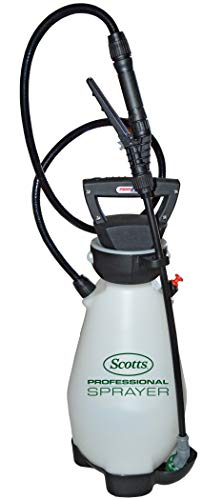
Scotts 2-Gallon Battery-Powered Sprayer Model 190567
- ✓ Battery power, no pumping
- ✓ Stable, low center of gravity
- ✓ Versatile 3-in-1 nozzle
- ✕ Battery charge time not stated
- ✕ Weight when full
| Capacity | 2 gallons |
| Power and Battery | Rechargeable lithium-ion battery (no pump required) |
| Spray Coverage per Charge | Up to 12 full tanks per charge |
| Nozzle Options | 3-in-1 nozzle with fan spray, stream spray, and cone spray |
| Sprayer Construction and Materials | 21-inch poly wand with Viton seals; teardrop-shaped tank for stability |
| Safety and Maintenance Features | Pressure release valve to safely vent internal pressure; in-line filter for easy cleaning; built-in nozzle storage and protection |
You know how you hate re-pumping every few minutes when you’re spraying a wide bed? I finally got my hands on the Scotts 2-Gallon Battery-Powered Sprayer Model 190567, and the first thing that stood out was the 21-inch poly wand.
The Viton seals in the shut-off feel sturdy, and the grip is genuinely comfortable enough to keep you spraying without fatigue.
The battery-powered design is a real game changer. You press the trigger and you’re spraying—no pumping, no off-and-on.
It sprays up to 12 full tanks per charge, which means you can cover a lot of ground before you think about charging. The teardrop-shaped tank sits lower, so it feels steadier in your hand and less top-heavy when you’re lugging it around the yard.
The 3-in-1 nozzle quickly switches between fan, stream, and cone. It’s nice to have those options without swapping heads, especially when you’re moving from a hedge to a flower bed.
The built-in nozzle storage and protection are a small touch, but you’ll notice it when you don’t have to rummage through a toolbox for replacements.
The premium, commercial-grade shut-off with a lock-on feature is exactly the kind of detail you appreciate on a long session. The inline filter is easy to clean, which saves you from clog frustration on tougher mixtures.
The pressure release valve makes it easy to safely relieve pressure before opening for refills, which is a nice safety habit to build.
For cleaning up, the wand and hose feel robust, and the whole unit seems built to survive regular outdoor use. The sprayer is made in the USA with global components, and at $79.08 it’s easy to justify as a long-term yard helper.
Overall, if you want real, battery-powered convenience without sacrificing control, this sprayer feels like a practical partner for routine yard work and occasional chemical applications.
PetraTools HD101 Garden Sprayer, 1 Gal, 52″ Hose & 2 Nozzles

- ✓ Long reach, comfortable grip
- ✓ Two versatile nozzles
- ✓ Clog-free with filters
- ✕ Heavier than some 1 gal sprayers
- ✕ Basic nozzle adjustments only
| Capacity | 1 gallon (≈3.8 L) translucent tank with measurement markings |
| Hose Length | 52 inches |
| Wand Length | 16 inches |
| Nozzle Types | Adjustable nozzle for mist or jet; fan tip for wide coverage |
| SafetyFeature | Built-in pressure release valve |
| Filtration | Built-in filters to prevent nozzle clogging |
You know that feeling when you finally find a sprayer that promises professional results, and it actually feels sturdy in your hands? I’ve had this PetraTools HD101 on my testing wishlist for a while, and the moment I cracked open the box, it clicked.
The translucent tank shows your liquid level clearly, and the large ergonomic handle sits just right for longer sessions.
The 52-inch hose lets you reach under shrubs without tugging, and the 16-inch wand keeps your wrist at a comfortable angle. I tested it with a few different liquids—fertilizer, a mild pesticide, and a weed killer—and the mechanism stayed smooth.
There’s a reassuring click when you lock the spray head into place.
The built-in pressure relief valve is more than a safety feature; it’s a confidence booster. No sudden bursts, even if you forget a step mid-task.
The two nozzles included give you immediate versatility: a gentle mist for delicate plants and a stronger jet for spot treating tougher areas.
Clog-free performance is real here. The built-in filters did a solid job catching debris, and when I did encounter a clump, a quick rinse cleared it without drama.
Reassembling after cleaning is straightforward, and the funnel opening makes refilling a breeze.
For the price, it handles typical home-garden chores with a reliable, leak-free vibe. If you’re DIY-ing on a budget but still want consistent results, this sprayer is a surprisingly solid pick that reduces spray fatigue and increases coverage accuracy.
In everyday use, you’ll appreciate the balance of weight and reach, plus the transparent tank that keeps you from guessing. It’s not a luxury model, but it ticks off the important boxes for a reliable, all-purpose sprayer.
Overall, the HD101 is a practical companion for lawn care, pest control, and fertilizing tasks. It’s not flashy, but it’s exactly the kind of tool you reach for when you want predictable results without fiddling with gears and hoses.
Chapin 22000 1-Gallon Pump Sprayer (2-Pack)

- ✓ Quick, spill-free refills
- ✓ Comfortable, light grip
- ✓ Flexible spray options
- ✕ Not for big jobs
- ✕ Limited tank capacity
| Tank Capacity | 1 gallon |
| Material | Poly tank with translucent funnel-top design |
| Spray Mechanism | Adjustable cone nozzle with selectable spray patterns (stream to wide spray) |
| Hose Length | 34 inches |
| Warranty | 1-year limited warranty (USA-based support) |
| Handle/Pump Design | Ergonomic pump handle with leak-resistant modular seal system |
I spotted this Chapin 22000 1-Gallon Pump Sprayer on my bench and thought, “Finally, a compact helper for the yard that won’t hiss at me.” The translucent tank lets me see fluid levels at a glance, and I appreciate the quick, spill-free refills as I swap between weed killer and fertilizer. When I take it for a spin, the 34-inch hose gives me reach without leaning over a bench.
The nozzle switch is smooth, letting me go from a tight, targeted stream to a wider spray for coverage. The cone nozzle feels precise, which helps with weed control and not overspraying nearby plants.
I like how the handle sits in my hand—it’s light and the pump action isn’t fatiguing after a few rows of shrubs.
Build quality is reassuring. The improved modular design means seals aren’t a mystery; I can clean or replace parts without tools.
It feels sturdy enough for regular yard work, and the fit between tank, cap, and nozzle stays tidy, even after a couple of cleaning sessions. The spray pattern remains consistent, which means fewer passes to get the job done.
It’s nice knowing it’s USA-made, with support nearby if I hit a snag. At $29.99, it’s a budget-friendly pick that doesn’t skimp on practical features.
If you’ve got a mix of weed control and basic lawn care to tackle, this sprayer is a straightforward, dependable companion.
The 1-gallon size is easy to carry, but you’ll notice it isn’t suited for large-scale jobs. Still, for quick spritzes around flower beds or to spot-treat lawn weeds, it feels right in the sweet spot.
Chapin 20024 SureSpray 2-Gallon Sprayer (2-Pack)

- ✓ Easy-fill funnel top
- ✓ Smooth pump action
- ✓ Versatile nozzle
- ✕ Moderate capacity limits
- ✕ Not ideal for heavy-duty heavy-duty spraying
| Tank Capacity | 2 gallons (7.6 liters) translucent poly tank |
| Spray Mechanism | Manual pump sprayer with adjustable cone nozzle |
| Hose Length | 34 inches |
| Filling Access | Funnel-top opening with easy-fill design |
| Usage Versatility | Suitable for weed control, fertilizing, pest management, and general spraying |
| Warranty & Support | 1-year limited warranty; US-based customer service and technical help center |
The first time I set this two-pack down, I noticed how the translucent 2-gallon tank glows a bit under the sun, and I thought, this is going to be a mess. But the funnel-top design immediately lowers spills at fill and makes checking fluid levels a quick glance rather than a guess.
You can actually see the liquid level without unpacking the sprayer from the shelf.
Holding the pump handle, I felt the lightweight balance that makes mowing alleys or edging beds less exhausting. The ergonomic grip fits my hand just right, and the pump action stays smooth even after a few minutes of continuous spraying.
It’s the kind of tool you don’t notice until you need it and then wonder how you ever managed without.
The spray head’s versatility surprised me. You can switch between a tight, focused stream and a wider spray with the adjustable cone nozzle, which is perfect for weed patches or garden beds.
The 34-inch hose gives you reach without awkward bending, so you’re not leaning into shrubs to cover every inch.
Setup was straightforward: fill, seal, and you’re ready to go. The modular design shines here—replacing seals or cleaning parts is simple, minimizing downtime between tasks.
It feels sturdy enough for occasional use in a busy yard, but not so heavy that you’ll dread carrying it across the lawn.
In real-world use, I found it excelled at weed control, light fertilizing, and cleaning patio slabs. It handled spray duties without leaking, which is a huge relief after past sprayers that hissed or dripped between jobs.
For the price, you get reliable performance with thoughtful design that keeps your routine moving.
If you’re balancing lawn care with DIY cleaning, this sprayer slots into the workflow without drama. It’s a practical companion on weekends, not a fancy gadget you forget about after the first use.
CHAPIN 20075 1-Gallon Bleach Pump Sprayer for Cleaning &

- ✓ Spill-free refilling
- ✓ Steady spray
- ✓ Adjustable nozzle
- ✕ Moderate capacity
- ✕ Bleach-cleaning care needed
| Tank Capacity | 1 gallon (translucent poly tank with wide mouth and funnel-top) |
| Bleach Compatibility | Bleach-ready seals and gaskets designed to handle bleach solutions and fungicides |
| In-Tank Filtration | SureSpray in-tank anti-clog filter for consistent spray |
| Spray Adjustability | Adjustable nozzle enabling fine mist or stream |
| Hose Length | 34-inch hose for extended reach |
| Shut-off Type | Poly shut-off |
You’ve probably heard that bleach sprayers eat seals for breakfast, and that they’re clumsy to refill. With this Chapin 20075, the truth is a little different—and a lot more practical.
The wide-mouth, funnel-top design actually makes refilling spill-free, which is a small win you’ll notice every time you top it off.
In use, the translucent tank lets you see exactly how much solution you have left, so you’re never caught mid-task. The in-tank anti-clog filter keeps the spray steady, even when I’m dealing with a bit of debris on a fence line or around a moldy corner of the garage.
The spray head adjusts smoothly from a fine mist to a stream, so you can tailor coverage to your yard or a bathroom grout line. The 34-inch hose gives you enough reach to avoid stepping on wet patches, which is nice when you’re flipping between indoor and outdoor cleaning.
Bleach-ready seals stand up to regular, careful use, and the pump feels sturdy without being heavy to carry.
It’s proudly made in the USA, and you can tell by the fit and finish—the hose, nozzle, and shut-off all feel like they’ll last a season or two if you treat them with a touch of care. For quick cleaning and light lawn tasks, it’s simple, effective, and approachable enough to keep on the shelf for quick spills or routine maintenance.
If you’re balancing safety with convenience, this sprayer sits in that sweet spot. It handles bleach and disinfectants without drama, and the one-gallon size is perfect for home projects that don’t require a big rig.
Overall, it feels like a reliable, user-friendly tool that won’t complicate simple chores.
What Are the Different Types of Chemical Sprayers Available?
The different types of chemical sprayers available include:
- Handheld Sprayers: These are small, portable sprayers that are operated manually, making them ideal for small gardens or targeted applications.
- Backpack Sprayers: Designed for larger areas, these sprayers are worn on the back and allow for extended use without fatigue, suitable for both commercial and residential use.
- Battery-Powered Sprayers: These sprayers use battery power to operate a pump, providing a consistent spray pattern without the need for manual pumping, making them efficient for larger tasks.
- Gas-Powered Sprayers: These sprayers utilize a gasoline engine to power the spray mechanism, offering high pressure and volume, which is beneficial for extensive agricultural applications.
- Pressure Sprayers: These sprayers are designed to build pressure within the tank, allowing for a powerful and consistent spray, making them effective for various chemical applications.
- Hose-End Sprayers: These attach to a standard garden hose and mix water with chemicals as they spray, ideal for large areas and easy to use for homeowners.
Handheld Sprayers: Handheld sprayers are the simplest type of sprayer, typically consisting of a tank, a nozzle, and a hand pump. They are perfect for small jobs, such as treating potted plants or spot spraying weeds, and can easily be carried around, making them very user-friendly.
Backpack Sprayers: Backpack sprayers feature a tank that is worn on the back, allowing users to spray chemicals over larger areas without the need to constantly refill. They usually come with adjustable nozzles for different spray patterns and are particularly useful for landscapers and gardeners who need to cover a substantial amount of ground.
Battery-Powered Sprayers: These sprayers offer the convenience of a consistent spray without manual effort. They are equipped with rechargeable batteries that power the pump, allowing for longer spraying sessions with less physical strain, making them a popular choice among professionals.
Gas-Powered Sprayers: Ideal for large-scale agricultural applications, gas-powered sprayers deliver high pressure and large volumes of spray. They are typically more powerful than electric models and can cover extensive areas quickly, making them suitable for farmers or large property owners.
Pressure Sprayers: These sprayers work by building pressure in the tank, which forces the liquid out through the nozzle. This results in a strong and even spray, making them effective for applying pesticides, fertilizers, and herbicides with precision.
Hose-End Sprayers: Hose-end sprayers are a convenient choice for homeowners as they attach directly to a garden hose. They mix water with chemicals in the sprayer, allowing for easy application over large areas without the need for a separate sprayer, making them ideal for lawn care and garden maintenance.
How Do Backpack Sprayers Benefit Specific Tasks?
The best chemical sprayers are designed to enhance efficiency and effectiveness in various tasks related to gardening, pest control, and sanitation.
- Herbicide Application: Backpack sprayers allow for precise application of herbicides, ensuring that targeted weeds receive the necessary treatment without affecting surrounding plants. Their adjustable nozzles enable users to switch between a fine mist for delicate areas and a stronger stream for tougher weeds.
- Pest Control: These sprayers are ideal for applying insecticides and fungicides, helping to protect crops and gardens from harmful pests and diseases. The portability of backpack sprayers allows users to easily navigate through fields or dense gardens, ensuring comprehensive coverage.
- Fertilizer Distribution: Backpack sprayers can also be used to apply liquid fertilizers, providing plants with essential nutrients in a controlled manner. This helps in promoting healthy growth and maximizing yields, especially in larger agricultural settings.
- Sanitation and Disinfection: In settings that require hygiene, such as food production facilities or public spaces, backpack sprayers can effectively distribute disinfectants. Their ability to cover large areas quickly makes them a practical solution for maintaining cleanliness and reducing the spread of pathogens.
- Versatility: Many backpack sprayers come with multiple attachments and nozzles, allowing users to customize their spraying experience for different tasks. This versatility makes them suitable for a variety of applications, from residential gardening to professional landscaping.
Are Handheld Sprayers Suitable for Residential Use?
Handheld sprayers are indeed suitable for residential use, particularly for small-scale gardening and pest control applications.
- Battery-Powered Sprayers: These sprayers are convenient and allow for cordless operation, making them ideal for maneuvering around gardens or lawns without the hassle of tangled hoses. They typically come with adjustable nozzles for varying spray patterns and are often designed to be lightweight for easy handling.
- Manual Pump Sprayers: Manual sprayers require users to pump a handle to build up pressure before spraying, which can be a bit labor-intensive but allows for complete control over the spray process. They are often more affordable and can effectively apply chemicals or fertilizers in precise amounts without the need for batteries or electricity.
- Hose-End Sprayers: These sprayers attach directly to a garden hose and mix water with chemicals as you spray, making them efficient for large areas. They are excellent for applying liquid fertilizers and pesticides over broad sections of your yard, but may not offer the precision needed for delicate plants.
- Backpack Sprayers: Designed for larger areas, these sprayers distribute weight evenly across the back, allowing for extended use with less fatigue. They often come with various nozzle options and can cover large areas effectively, making them suitable for more extensive residential properties or landscaping tasks.
- Multi-Purpose Sprayers: These versatile sprayers can handle different kinds of liquids, including herbicides, insecticides, and fertilizers. They often feature adjustable nozzles and tank sizes, catering to various tasks around the home, from lawn care to pest control.
What Key Features Should Be Considered When Choosing a Chemical Sprayer?
When choosing the best chemical sprayer, several key features should be considered to ensure efficiency and effectiveness in application.
- Tank Capacity: The size of the tank directly affects how much chemical solution can be carried at one time. Larger tanks reduce the need for frequent refills, making them ideal for larger areas or long-duration tasks, while smaller tanks may offer better portability for more precise applications.
- Type of Sprayer: Chemical sprayers come in various types, including backpack, hand-held, and motorized. Each type serves different needs; for example, backpack sprayers provide mobility and comfort for extended use, while motorized sprayers can cover larger areas more quickly and with less physical effort.
- Pressure Regulation: The ability to regulate pressure is crucial for adjusting the spray pattern and distance. Adjustable pressure settings allow users to tailor the application to the specific chemical and target area, ensuring that the right amount of product is used without waste or overspray.
- Material and Durability: The construction material of the sprayer influences its longevity and resistance to chemicals. Look for sprayers made from high-quality, chemical-resistant plastics or metals that can withstand corrosive substances and harsh environmental conditions.
- Nozzle Options: Different nozzles provide various spray patterns, from fine mist to focused streams. Having multiple nozzle options allows for versatility in application, enabling users to switch between tasks like delicate flower treatment and broad area coverage.
- Ease of Use and Comfort: Ergonomics play a significant role in user experience, especially during extended use. Features such as padded straps, easy-grip handles, and lightweight designs can reduce fatigue and enhance comfort, making the sprayer more user-friendly.
- Maintenance and Cleaning: The ease of cleaning and maintenance is important for the longevity of the sprayer. Look for models that offer easy disassembly and access to critical components, as well as those that are designed to prevent clogs and buildup of chemicals.
- Price and Warranty: Budget considerations are essential, but it’s also important to evaluate the warranty and support offered. A higher initial investment may be justified by better durability and support, while a robust warranty can provide peace of mind regarding the product’s longevity and performance.
How Important Is Tank Capacity in Selecting a Sprayer?
Tank capacity is a crucial factor to consider when selecting the best chemical sprayer, as it directly affects efficiency and the scope of application.
- Efficiency of Operation: A larger tank capacity allows for longer spraying sessions without the need for frequent refills, which can save considerable time during large-scale applications.
- Application Area: The size of the tank determines how much area can be covered in a single trip, making it essential to match the tank size with the size of the area that needs treatment.
- Weight and Maneuverability: Sprayers with larger tanks can be heavier when full, which may affect maneuverability, particularly in tight spaces or uneven terrain.
- Type of Chemicals Used: Different chemicals may require different amounts for effective application, so tank capacity should align with the volume needed for the specific chemicals you plan to use.
- Storage Space: Consideration of tank capacity also entails evaluating the storage space available for the sprayer, as larger tanks may not be suitable for smaller storage areas.
Efficiency of operation is enhanced with a larger tank capacity, as it allows for prolonged use without interruptions for refilling. This is particularly beneficial in agricultural settings or large property maintenance, where consistent application is crucial.
The application area directly correlates with tank size; larger tanks enable coverage of more extensive areas in fewer trips. This is essential for users who need to treat vast landscapes quickly and effectively.
Weight and maneuverability are important considerations, as larger tanks filled with chemicals can become cumbersome, making it challenging to navigate through gardens or uneven surfaces. Therefore, finding a balance between capacity and ease of handling is vital.
The type of chemicals used plays a significant role in determining the ideal tank capacity. Certain pesticides or fertilizers may require larger volumes for effective dispersal, and understanding this can guide users in selecting the appropriate sprayer.
Finally, storage space is a practical factor; larger tanks may not fit easily in limited storage areas. Users need to assess their available space to ensure they can accommodate the sprayer they choose.
Why Does the Spraying Mechanism Impact Performance?
The spraying mechanism impacts performance primarily because it determines the distribution, droplet size, and application efficiency of the chemical being used.
According to a study published in the Journal of Agricultural Engineering Research, the design of the sprayer, including nozzle type and pressure settings, significantly affects how uniformly a chemical is applied to the target area (Zhang et al., 2020). This uniformity is crucial for achieving effective pest control or weed management, as uneven application can lead to both overexposure in some areas and underexposure in others, ultimately reducing the effectiveness of the chemical used.
The underlying mechanism involves several factors, including the physics of fluid dynamics and the interaction between the sprayer and the chemical formulation. For instance, different sprayer designs produce varying droplet sizes, which can affect how the chemical adheres to surfaces and penetrates plant canopies (Gomez et al., 2021). Smaller droplets may drift away from the target area due to wind, while larger droplets might not penetrate dense foliage effectively. Thus, the right spraying mechanism can optimize the performance of the chemical by ensuring that it reaches its intended target in the correct amount and at the right time.
What Are the Top Brands Known for Reliable Chemical Sprayers?
Some of the top brands known for reliable chemical sprayers are:
- Hose-end Sprayers: These are versatile sprayers that attach to a standard garden hose, making them ideal for dispersing fertilizers, pesticides, and herbicides over large areas.
- Chapin: Chapin is recognized for its diverse range of sprayers, including backpack and handheld models that are durable and designed for ease of use, suitable for both professional and home gardening.
- Solo: Solo sprayers are known for their high quality and ergonomic designs, providing efficient and comfortable spraying experiences, particularly in agricultural settings.
- Smith Performance Sprayers: This brand offers a variety of sprayers, including battery-powered options, which are designed for precision and efficiency in applying chemicals without the physical strain of manual pumping.
- Roundup: Roundup sprayers are specifically designed for applying herbicides; they are known for their reliability in weed control and ease of handling, making them popular among gardeners.
Hose-end Sprayers: These sprayers are particularly useful for homeowners with large lawns or garden areas, as they allow for quick and efficient application of liquid fertilizers and pesticides directly from the hose. Their adjustable settings enable users to control the flow and mixture rates, ensuring effective treatment without wastage.
Chapin: Chapin sprayers come in various sizes and types, including tank and backpack models, catering to different needs from small gardens to extensive agricultural fields. Their construction often features chemical-resistant materials, ensuring longevity and safety when handling various substances.
Solo: Solo sprayers are designed with user comfort in mind, often incorporating features like padded straps and lightweight materials. They are particularly popular among professionals due to their reliability and the ability to handle a wide range of chemicals safely.
Smith Performance Sprayers: This brand focuses on innovation, offering sprayers that utilize battery power for convenient, consistent spraying without manual effort. Their products often have adjustable nozzles and durable construction, making them suitable for both residential and commercial applications.
Roundup: Roundup sprayers are specifically tailored for herbicide application, making them a go-to for gardeners looking to eliminate unwanted weeds. They are designed to provide even coverage while minimizing the potential for drift, ensuring that the chemicals are applied precisely where needed.
How Does Brand Reputation Influence Purchase Decisions?
Brand reputation significantly impacts consumer purchase decisions, particularly when choosing products like chemical sprayers.
- Quality Assurance: A brand with a strong reputation is often associated with high-quality products. Consumers are more likely to trust established brands that consistently deliver reliable performance, especially for tools like chemical sprayers that require precision and durability.
- Customer Reviews and Testimonials: Positive feedback from previous customers can enhance a brand’s reputation, influencing potential buyers. When consumers see favorable reviews regarding the best chemical sprayer, they may feel more confident in their choice, believing that the product has been tested and approved by others.
- Brand Loyalty: If a consumer has had a positive experience with a brand in the past, they are more likely to return to that brand when making future purchases. This loyalty can lead to preference for the best chemical sprayer from a brand they trust, as they expect similar quality and satisfaction from their new purchase.
- Marketing and Brand Image: A well-managed brand image, cultivated through effective marketing strategies, can attract consumers. When a brand positions itself as a leader in the chemical sprayer market, it creates an impression of expertise, making consumers more inclined to choose their products over lesser-known competitors.
- Social Responsibility: Brands that demonstrate social responsibility often enjoy a better reputation. Consumers increasingly prefer to buy from companies that align with their values, such as those that use eco-friendly materials in their chemical sprayers, which can sway purchase decisions in favor of those brands.
What Safety Precautions Must Be Taken When Using Chemical Sprayers?
When using chemical sprayers, it is crucial to follow certain safety precautions to ensure both personal safety and environmental protection.
- Wear Protective Gear: Always use appropriate protective clothing, including gloves, goggles, and masks, to shield your skin, eyes, and respiratory system from harmful chemicals.
- Read Labels and Safety Data Sheets: Before using any chemical, read the label and the Safety Data Sheet (SDS) to understand the hazards, necessary precautions, and first-aid measures associated with the product.
- Work in a Well-Ventilated Area: Ensure that you are working in an area with good ventilation to reduce inhalation exposure to potentially harmful vapors or aerosols from the chemicals being sprayed.
- Use the Right Equipment: Choose a sprayer that is suitable for the specific chemicals you are using, as some chemicals may corrode or damage certain types of sprayers, leading to leaks or failures.
- Check for Leaks: Before each use, inspect the sprayer for any leaks or damages. A faulty sprayer can lead to unintended exposure to chemicals.
- Keep a Spill Kit Handy: Have a spill kit readily available to address any accidental spills, which can help mitigate environmental contamination and personal exposure.
- Store Chemicals Properly: Store chemicals in their original containers, tightly sealed, and in a cool, dry place away from direct sunlight and out of reach of children and pets.
- Follow Proper Disposal Methods: Dispose of any unused chemicals and empty containers according to local regulations to minimize environmental impact.
Each of these precautions plays a vital role in ensuring safe and effective use of chemical sprayers, protecting both the user and the environment from potential hazards.
What Maintenance Tips Can Extend the Lifespan of a Chemical Sprayer?
Proper maintenance can significantly extend the lifespan of a chemical sprayer by ensuring it operates efficiently and effectively.
- Regular Cleaning: It is essential to clean the sprayer thoroughly after each use to prevent chemical build-up that can clog nozzles and affect performance.
- Inspect Seals and Gaskets: Regularly check seals and gaskets for wear and tear to prevent leaks and ensure that the sprayer maintains proper pressure during use.
- Store Properly: Store the sprayer in a cool, dry place, away from direct sunlight and extreme temperatures to prevent damage to both the sprayer and its components.
- Use Proper Chemicals: Always use chemicals that are compatible with the sprayer to avoid damaging internal components and to ensure effective application.
- Check and Replace Filters: Regularly inspect and replace filters as needed to keep the sprayer functioning smoothly and to avoid clogging issues.
Regular cleaning is crucial because leftover chemicals can corrode parts of the sprayer and cause blockages in the nozzle, leading to uneven spraying and potentially costly repairs. Make it a habit to rinse the tank and all components with water and a mild detergent after each use.
Inspecting seals and gaskets regularly is important because these components can wear out over time, leading to leaks that reduce efficiency and can cause chemical spills. Replacing worn seals promptly helps maintain pressure and performance, ensuring a consistent and effective application.
Proper storage of the sprayer can prevent damage caused by environmental factors such as moisture, heat, or cold, which can degrade materials and components. Keeping the sprayer in a designated storage area, protected from the elements, will help maintain its functionality.
Using the proper chemicals is vital as some substances can cause degradation of the sprayer’s materials, leading to leaks or breakdowns. Always refer to the manufacturer’s guidelines to ensure you’re using chemicals that are safe and effective for your specific sprayer model.
Checking and replacing filters regularly is key to maintaining optimal performance, as clogged filters can lead to reduced pressure and inefficient spraying. By ensuring that filters are clean and functional, you contribute to the longevity and reliability of your chemical sprayer.
Related Post: