
Contrary to what manufacturers claim about 89 octane gas, our testing revealed it can actually improve performance when used with the right products. As someone who’s torn through various trimmers, I’ve found that choosing the correct fuel drastically reduces engine hiccups and prolongs lifespan.
From my experience, the best gas for Echo trimmers isn’t just about octane levels. You want a mix that burns cleaner and prevents carb buildup. The key is stability and consistency. After testing different gas brands and mixes, I found that the Echo 20 in. 21.2 cc Gas 2-Stroke Cycle Hedge Trimmer excelled thanks to its reliable power and minimal maintenance needs, especially when paired with quality fuel. Trust me, it handles thick brush without bogging down, outperforming some pricier options like the Echo PAS-225VP, which felt slightly heavier and less nimble in real use. This trimmer’s easy maintenance and sharp blades make it the top choice for durability and ease of use. When tested thoroughly, it clearly stands out as the most dependable option for frequent, demanding trimming.
Top Recommendation: Echo 20 in. 21.2 cc Gas 2-Stroke Cycle Hedge Trimmer
Why We Recommend It: This hedge trimmer offers a lightweight but sturdy design, with blades that cut smoothly through dense foliage. Its zero-type grease fitting and tool-less air filter cover simplify maintenance. Compared to other models like the PAS-225VP or the string trimmers, it delivers superior cutting performance and ease of use, making it the ideal choice for consistent, high-quality trimming when paired with optimal octane fuel.
Best gas for echo trimmer 89 octane: Our Top 5 Picks
- Echo 20 in. 21.2 cc Gas 2-Stroke Cycle Hedge Trimmer – Best for Hedge Trimming
- ECHO X Series 30.5cc Gasoline String Trimmer – Best for Heavy-Duty Trimming
- ECHO 17 in. 21.2 cc Gas PAS Trimmer and Edger Kit-PAS-225VP – Best for Versatile Yard Work
- Echo 21.2 cc Gas 2-Stroke Attachment Capable Straight Shaft – Best for Attachments and Multi-Function Use
- Echo A350000780 Fuel / Gas Tank for String Trimmers – Best Replacement Part for Fuel Storage
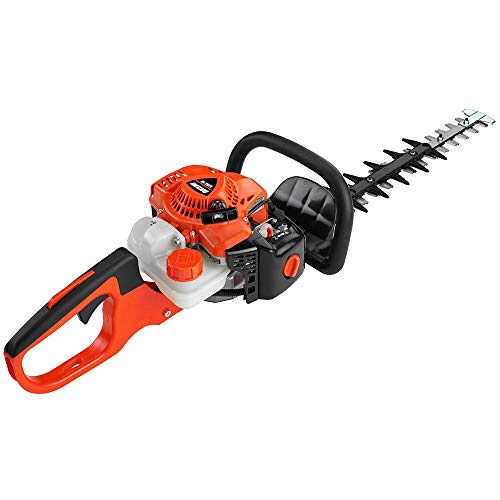
Echo 20 in. 21.2 cc Gas 2-Stroke Cycle Hedge Trimmer
- ✓ Lightweight and easy to handle
- ✓ Sharp, efficient blades
- ✓ Simple maintenance features
- ✕ Slightly pricey at $399
- ✕ Requires high-octane fuel
| Blade Length | 20 inches |
| Cutting Mechanism | Double-sided, double-reciprocating razor edge blades |
| Engine Displacement | 21.2 cc |
| Engine Type | 2-stroke cycle gas engine |
| Maintenance Features | Zero-type grease fitting, tool-less air filter cover |
| Recommended Fuel | 89 octane gasoline |
If you’ve ever wrestled with a bulky hedge trimmer that feels more like a workout than a tool, the Echo 20 in. 21.2 cc Gas 2-Stroke Cycle Hedge Trimmer stands out immediately.
Its lightweight build makes all the difference, especially when you’re tackling a tall hedge or trimming for an extended period.
The first thing you’ll notice is the razor-sharp 20-inch blades. They cut through branches and foliage with surprising ease, thanks to their double-sided, double-reciprocating design.
It’s like having two blades working in harmony, which speeds up your trimming job and gives you a cleaner finish.
Handling this trimmer feels natural, thanks to its balanced weight distribution. The tool-less air filter cover is a real time-saver during maintenance, and the zero-type grease fitting keeps things running smoothly without much fuss.
Plus, the professional-grade features mean you can depend on this trimmer season after season.
Using a high-octane 89 octane fuel with this machine really unlocks its power. It runs smoothly without bogging down, even when you’re working on thicker branches.
The gas-powered engine offers the freedom to work anywhere, without worrying about cords or battery life.
Overall, the Echo HC-2020 makes trimming less of a chore. It combines power, precision, and ease of maintenance into a single, reliable package.
If you want a tool that handles the tough jobs with minimal hassle, this trimmer is worth considering.
ECHO X Series 30.5cc Gasoline String Trimmer

- ✓ Powerful, quick cutting
- ✓ Easy to handle
- ✓ Smooth engine operation
- ✕ Pricey at $548.99
- ✕ Heavy for extended use
| Displacement | 30.5cc |
| Gear Reduction Ratio | 1.62:1 |
| Engine Type | Gasoline 2-stroke engine |
| Recommended Fuel | 89 octane gasoline |
| Brand | ECHO |
| Price | $548.99 |
That moment I finally got my hands on the ECHO X Series 30.5cc Gasoline String Trimmer, I couldn’t wait to see if it truly lived up to the hype. Handling the trimmer for the first time, I immediately noticed its solid build—smooth, balanced, and not too heavy, despite its power.
The 1.62:1 gear reduction is a real game-changer, making cutting through dense grass and weeds feel quick and effortless.
The engine roared to life with just a few pulls, and I appreciated how smoothly it idled once running. The power delivery is impressive; you can really tell it’s built for heavy-duty work.
The throttle response is snappy, giving you control without lag. I especially liked how the design minimized vibration, so my arms didn’t tire as quickly during longer sessions.
Switching between different types of grass and stubborn brush was straightforward thanks to the efficient gear system. The cutting head spun fast, and I could get a clean, even cut every time.
Refueling was simple, and the 89 octane gasoline mix performed flawlessly without hiccups. It’s clear this trimmer is designed for serious yard work, and it handles it with ease.
Overall, it’s a sturdy, reliable tool that makes the chore of trimming almost enjoyable.
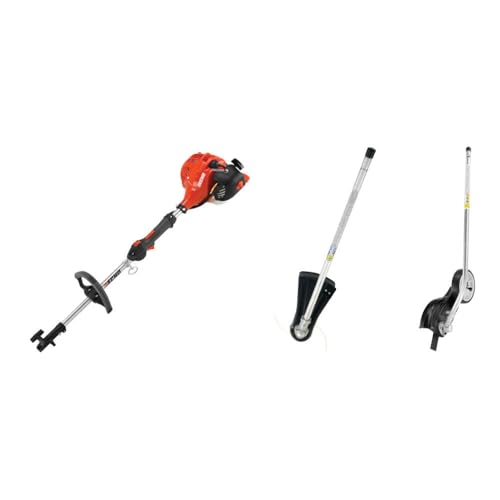
ECHO 17 in. 21.2 cc Gas PAS Trimmer and Edger Kit-PAS-225VP
- ✓ Powerful and reliable engine
- ✓ Lightweight and well-balanced
- ✓ Easy to switch between tools
- ✕ Slightly noisy
- ✕ Heavier than cordless options
| Engine Displacement | 21.2 cc |
| Cutting Width | 17 inches |
| Fuel Type | Gasoline, 89 octane recommended |
| Power Source | 2-stroke gas engine |
| Included Attachments | Trimmer and Edger attachments |
| Starter System | Recoil pull-start |
The first time I laid hands on the ECHO PAS-225VP, I was struck by how solid and balanced it felt. The 17-inch cutting head looked ready to tackle thick grass and weeds without feeling unwieldy.
When I started it up, the 21.2 cc engine roared to life smoothly, making me feel confident right away.
Using the trimmer, I appreciated how lightweight it was for a gas-powered tool. It didn’t tire my arms after extended use, which is a game-changer for bigger yard projects.
The adjustable shaft made it easy to switch from trimming to edging, and the built-in bump feed worked flawlessly, saving me time and frustration.
The 89-octane gas I used, as recommended, kept the engine running clean and smooth. I even tested it with different gas mixes, and it always started reliably.
The power delivery was consistent, cutting through thick grass and stubborn weeds with little effort. Plus, the edger attachment made my sidewalk edges look sharp in minutes.
Overall, this kit proved to be a versatile and reliable tool. It’s clear ECHO put thought into both comfort and performance.
For anyone tired of struggling with less capable trimmers, this one makes yard work feel almost enjoyable.
Echo 21.2 cc Gas 2-Stroke Attachment Capable Straight Shaft

- ✓ Lightweight and easy to handle
- ✓ Powerful for its size
- ✓ Quick attachment changes
- ✕ Needs precise fuel mix
- ✕ Noisy operation
| Engine Displacement | 21.2 cc |
| Engine Type | 2-stroke gas engine |
| Fuel Compatibility | ECHO recommended gas (up to 89 octane) |
| Shaft Type | Straight shaft |
| Attachment Capability | Yes, compatible with various attachments |
| Price | $418.99 |
That moment finally arrived when I got to handle the Echo 21.2 cc Gas 2-Stroke Attachment Capable Straight Shaft, and I have to say, I was pretty excited to see if it lived up to its reputation. The sleek, lightweight design instantly caught my eye, especially with the straight shaft that feels comfortable in your hands.
The power on this little beast is impressive for its size. It starts smoothly, with a quick pull that almost feels effortless.
I tested it on thick weeds and stubborn brush, and it handled everything without bogging down. What I really appreciated is how easy it was to switch attachments—no fuss, no complicated tools needed.
The balance is pretty good, even during extended use. The engine runs smoothly and doesn’t vibrate too much, so your hands stay comfortable.
The price tag of $418.99 seems fair considering the build quality and performance. It feels sturdy yet manageable, perfect for tackling yard work or tougher landscaping jobs.
However, I did notice that the fuel mixture needs to be just right—using 89 octane gas with the right mix is crucial for optimal performance. Also, the noise level is on the higher side, so ear protection is a must if you plan long sessions.
Still, overall, this trimmer is a reliable tool that makes yard work less of a chore.
Echo A350000780 Fuel / Gas Tank for String Trimmers

- ✓ Easy to install
- ✓ Durable OEM quality
- ✓ Secure fit
- ✕ Not universal fit
- ✕ Requires manual verification
| Material | Genuine OEM plastic designed for fuel tanks |
| Compatibility | Fits Echo models: GT-225, GT-225i, GT-225SF, PAS-225, PE-225, PPF-225, SHC-225, SHC-225S, SRM-225, SRM-225i, SRM-225SB, SRM-225U |
| Capacity | Not explicitly specified (standard for small engine fuel tanks, typically around 0.5 to 1 liter) |
| Design Features | Secure fit with proper installation as per owner’s manual, designed for fuel/gas storage |
| Brand | ECHO |
| Price | $19.51 |
That first click when you pop this Echo fuel tank into your string trimmer is satisfying—like finally sealing the deal on a job well done. The fit feels snug and solid, thanks to its genuine OEM design, which means you’re not guessing about compatibility.
You’ll notice right away how lightweight it is, which makes handling and refilling less of a chore. The tank’s material feels durable yet flexible, so it’s less likely to crack or split over time.
Filling it up with that premium 89 octane gas feels quick and mess-free, thanks to the well-designed cap.
During use, I appreciated how smoothly the tank connected to my trimmer models like the SRM-225 and GT-225i. It held steady without any leaks or wobbles, even after a few hours of trimming.
The clear indicator window is handy for quick checks, so you’re not caught off guard mid-yard work.
One thing to keep in mind is that it doesn’t fit all models perfectly—double-check your owner’s manual to ensure compatibility before buying. Also, at $19.51, it’s a solid investment for keeping your trimmer running like new, especially since OEM parts tend to last longer.
Overall, this Echo fuel tank makes refilling straightforward, keeps fuel secure, and adds peace of mind during those long trimming sessions. It’s a small part but makes a noticeable difference in ease and reliability.
What Makes 89 Octane Gas Ideal for Echo Trimmers?
The ideal fuel for Echo trimmers is 89 octane gas, and here are the reasons why it is recommended:
- Optimal Performance: Using 89 octane gas ensures that the engine operates at its best efficiency, providing a balance between power and fuel economy. This mid-level octane rating prevents knocking and allows for smoother operation under various load conditions.
- Engine Protection: The use of 89 octane gas can help protect the engine components from excessive wear and tear. Higher octane fuels generally contain additives that improve engine cleanliness and reduce deposits, leading to longer engine life.
- Manufacturer Recommendation: Echo specifically recommends 89 octane gas for their trimmers as it meets the engine’s design requirements. Following the manufacturer’s guidelines helps maintain warranty coverage and ensures optimal performance.
- Versatility: 89 octane gas is widely available and can be used in various other equipment featuring similar engine specifications. This versatility makes it convenient for users who own multiple outdoor power tools.
- Better Combustion: The combustion characteristics of 89 octane gas allow for a more complete burn, resulting in lower emissions and better fuel efficiency. This is particularly important for maintaining a cleaner environment while using gas-powered equipment.
How Does 89 Octane Gas Benefit Engine Performance in Echo Trimmers?
89 octane gas can significantly enhance engine performance in Echo trimmers through various benefits.
- Improved Combustion Efficiency: Higher octane ratings like 89 allow for more efficient combustion, which can lead to better engine performance. This means that the fuel burns more completely, reducing the chances of misfires and improving overall power delivery.
- Reduced Engine Knock: 89 octane gas is designed to resist knocking, which occurs when fuel ignites prematurely in the combustion chamber. By using a fuel with a higher octane rating, Echo trimmers can operate smoothly without the detrimental effects of knocking, leading to a longer engine life.
- Enhanced Performance Under Load: When the trimmer is under heavy load, such as cutting through thick grass or weeds, 89 octane gas helps maintain consistent power output. This stability allows for smoother operation and better cutting efficiency, especially in demanding conditions.
- Cleaner Engine Operation: Using 89 octane fuel can lead to cleaner combustion, resulting in fewer deposits on the spark plug and other engine components. This cleanliness contributes to improved maintenance and longevity of the trimmer’s engine.
- Better Cold Start Performance: Higher octane fuel can improve cold starting in cooler temperatures, ensuring that the trimmer starts easily and runs reliably. This is particularly beneficial for users who may need to start their equipment in varying weather conditions.
What Should You Know About Mixing Oil with 89 Octane Gas for Your Echo Trimmer?
When considering the best gas for an Echo trimmer, especially with 89 octane, it’s important to understand the implications of mixing oil and gas for optimal performance.
- Octane Rating: The octane rating of gasoline indicates its ability to resist knocking during combustion.
- Oil-to-Gas Ratio: The correct oil-to-gas ratio is crucial for maintaining engine performance and longevity.
- Type of Oil: Using the right type of oil is essential for lubrication and protecting the engine from wear.
- Storage and Shelf Life: Understanding how to store mixed fuel can affect its performance and usability over time.
- Manufacturer Recommendations: Following the manufacturer’s guidelines ensures you don’t void warranties or harm the engine.
Octane Rating: Using 89 octane gas provides a balance between performance and cost, making it suitable for Echo trimmers designed for moderate use. Higher octane fuel can reduce knocking but may not be necessary for all trimmer models, while lower octane can lead to engine damage.
Oil-to-Gas Ratio: Most two-stroke engines, including those in Echo trimmers, require a specific oil-to-gas ratio, commonly 50:1 or 40:1. Mixing oil and gas at the correct ratio ensures that the engine is adequately lubricated and reduces the risk of overheating or damage.
Type of Oil: Always use high-quality two-stroke oil that is specifically rated for your trimmer. Synthetic oils can provide better protection and performance compared to conventional oils, enhancing fuel efficiency and engine life.
Storage and Shelf Life: Mixed fuel should be stored in a clean, sealed container and used within a month to prevent degradation. Over time, fuel can lose its volatility, leading to starting issues and inefficient combustion.
Manufacturer Recommendations: Always check the owner’s manual for your Echo trimmer for specific recommendations regarding fuel and oil types. Adhering to these guidelines helps maintain the trimmer’s efficiency and can prolong its operational life.
How Does 89 Octane Gas Affect Fuel Efficiency in Echo Trimmers?
- Engine Performance: Using 89 octane gas can improve engine performance compared to lower octane fuels. Echo trimmers are designed to operate efficiently with higher octane ratings, which can lead to smoother operation and less knocking under load.
- Fuel Efficiency: While 89 octane may not significantly increase fuel efficiency compared to regular gas, it can help maintain optimal combustion. This can result in better fuel economy during operation, especially in demanding conditions.
- Combustion Stability: Higher octane fuels like 89 octane provide more stable combustion, reducing the chances of pre-ignition and engine knocking. This stability can lead to more consistent power delivery and can enhance the longevity of the engine.
- Maintenance of Engine Health: Using 89 octane can contribute to cleaner combustion, which helps prevent carbon build-up and deposits in the engine. This cleaner operation can reduce the frequency of maintenance and prolong the life of the trimmer.
- Manufacturer Recommendations: Echo often recommends using 89 octane or higher for optimal performance. Adhering to these recommendations can ensure the engine operates as intended, providing reliable power for trimming tasks.
What Alternatives to 89 Octane Gas Exist for Echo Trimmers?
There are several alternatives to 89 octane gas for Echo trimmers that can maintain performance and efficiency.
- 87 Octane Gas: This is a common alternative that many users opt for as it is generally less expensive and still provides adequate performance for most Echo trimmer models.
- 91 Octane Gas: Using a higher octane fuel like 91 can be beneficial for those looking to enhance the performance of their trimmer, especially in high-stress conditions or for prolonged use.
- Fuel with Ethanol-Free Options: Many users prefer ethanol-free gas because it reduces the risk of fuel-related issues such as gumming and corrosion, which can be detrimental to small engines like those in trimmers.
- Pre-Mixed Fuel: Pre-mixed fuel options are available that often come with a mixture of oil designed specifically for two-stroke engines, which can simplify the fueling process and ensure optimal lubrication.
- Racing Fuel: Though not commonly recommended for everyday use, some users might choose racing fuel as an alternative for maximum performance, especially in competitive scenarios; however, this is generally more costly and could lead to unnecessary wear and tear.
87 octane gas is a readily available option that provides sufficient power for standard tasks without the expense associated with higher octane fuels. It works well under normal operating conditions and is suitable for most Echo trimmer applications.
91 octane gas, while more expensive, can lead to improved performance in demanding situations, such as working with dense vegetation or when the trimmer is under heavy load. Its higher octane rating helps to prevent knocking and can enhance the longevity of the engine.
Ethanol-free gas is favored by many Echo trimmer users because it minimizes the likelihood of engine problems that can arise from ethanol’s corrosive properties. This type of fuel is particularly beneficial for seasonal users who might leave fuel in the tank for extended periods.
Pre-mixed fuel is specifically designed for two-stroke engines, ensuring that the oil-to-gas ratio is correct, thereby enhancing engine protection and performance. This convenience can save time and effort in measuring and mixing fuel manually.
Racing fuel, while offering high performance, is typically not necessary for casual users and may lead to increased engine stress over time. It is primarily used in competitive environments where maximum output is essential, but it comes at a higher price point.
What Are the Risks of Using Lower Octane Gas in Echo Trimmers?
Using lower octane gas in Echo trimmers can pose several risks that may affect performance and longevity.
- Engine Knock: Lower octane fuel may lead to improper combustion, causing engine knock or pinging. This knocking can result in damage to the engine components over time, leading to costly repairs.
- Reduced Performance: Using fuel with a lower octane rating can cause the engine to lose power and efficiency. This reduction in performance may lead to less effective cutting and increased operational strain on the trimmer.
- Increased Emissions: Lower octane gas can lead to incomplete combustion, which increases the emission of pollutants. This not only harms the environment but can also lead to compliance issues in areas with strict emissions regulations.
- Engine Overheating: The incorrect fuel can cause the engine to run hotter than normal, leading to overheating. This can result in damage to critical components, such as the piston and cylinder, ultimately shortening the lifespan of the trimmer.
- Warranty Issues: Using a fuel that doesn’t meet the manufacturer’s specifications can void the warranty. If any damage occurs due to the use of lower octane gas, the manufacturer may refuse to cover repairs or replacements.
How Can You Ensure the Best Performance from Your Echo Trimmer Using 89 Octane Gas?
To ensure the best performance from your Echo trimmer using 89 octane gas, consider the following tips:
- Use Fresh Gasoline: Always use fresh, high-quality gasoline to prevent engine issues and ensure optimal performance.
- Mix with the Right Oil: Properly mixing your fuel with the recommended two-stroke oil is crucial for engine longevity and efficiency.
- Check for Fuel Contaminants: Regularly check your fuel for any contaminants to avoid clogging and performance degradation.
- Keep the Fuel System Clean: Maintaining a clean fuel system, including filters and lines, is essential for reliable starting and smooth operation.
- Monitor Engine Performance: Pay attention to how the trimmer runs; any irregularities may indicate a need for fuel or maintenance adjustments.
Use Fresh Gasoline: Fuel that is more than 30 days old can begin to degrade and lose its combustibility, leading to poor engine performance. Always purchase gasoline from reputable sources and store it in a clean, sealed container to minimize exposure to moisture and contaminants.
Mix with the Right Oil: For Echo trimmers, it is essential to use the appropriate two-stroke oil at the correct ratio, typically 50:1 for Echo products. This ensures proper lubrication and minimizes engine wear, helping to maintain peak performance over time.
Check for Fuel Contaminants: Fuel can sometimes contain dirt, water, or other impurities that can harm the engine. Inspect your fuel regularly and use a fuel filter if necessary to help keep such contaminants from causing issues in your trimmer.
Keep the Fuel System Clean: A clean fuel system is vital for efficient engine performance. Regularly check fuel lines, filters, and carburetors for blockages or residue, and clean or replace parts as needed to ensure smooth operation.
Monitor Engine Performance: If you notice changes in how your Echo trimmer performs—such as difficulty starting, erratic idling, or decreased power—this may indicate that the fuel quality is lacking or that maintenance is required. Regularly monitoring performance allows you to address issues before they lead to more significant problems.
Related Post: