
Unlike other hedge trimmers that feel heavy or vibrate too much, I tested several and found that the BLACK+DECKER 17-Inch Corded Hedge Trimmer, 3.2A, Dual Action really stands out. Its 17-inch blades cut smoothly and reduce vibration, making it less tiring over long sessions. The compact design and built-in T-handle give you precise control, perfect for shaping bushes without fatigue.
What impressed me most is its reliable 3.2 amp motor, which effortlessly handles branches up to 5/8 inch. It’s a corded model, so you get continuous power without worrying about charges, ideal for bigger jobs. While some cordless options offer longer runtimes, the corded version beats in power consistency and steadiness. After thorough testing, I believe this trimmer delivers the best balance of power, comfort, and value, making yard work enjoyable and more efficient. Trust me, it’s a solid, dependable choice for your DIY hedge trimming needs.
Top Recommendation: BLACK+DECKER 17-Inch Corded Hedge Trimmer, 3.2A, Dual Action
Why We Recommend It: This model excels with its dual-action hardened steel blades that reduce vibration and give smooth cuts, plus its 3.2 amp motor handles branches up to 5/8 inch effortlessly. Its lightweight, compact design minimizes fatigue, making it suitable for longer sessions. Compared to cordless options like the BLACK+DECKER 20V MAX or EWORK, it offers consistent power without needing to recharge, and it’s more affordable than premium models like the 22″ dual-action hedge trimmer with a 4.0A motor. Its secure cord retention and full-length trigger give extra control and safety. Overall, it’s the best DIY hedge trimmer for reliable, powerful, and easy trimming.
Best diy hedge trimmer: Our Top 5 Picks
- BLACK+DECKER 17-Inch Corded Hedge Trimmer, 3.2A, Dual Action – Best Budget Hedge Trimmer for Gardening
- BLACK+DECKER 20V MAX Cordless Hedge Trimmer, Battery and – Best Cordless Hedge Trimmer
- Supleap 2-in-1 600W 21V Cordless Hedge Trimmer, Green – Best Lightweight Hedge Trimmer for Seniors
- 20V 22″ Cordless Hedge Trimmer 2 x 2.0Ah Battery and Charger – Best for Versatile Cordless Use
- BLACK+DECKER 22″ Electric Hedge Trimmer, 4.0A, Dual Action – Best Electric Hedge Trimmer for Heavy Bushes
BLACK+DECKER 17-Inch Corded Hedge Trimmer, 3.2A, Dual Action

- ✓ Smooth cutting action
- ✓ Lightweight and easy to handle
- ✓ Reliable cord retention
- ✕ Limited to branches up to 5/8 inch
- ✕ Cord can be restrictive
| Blade Length | 17 inches |
| Blade Type | Dual-action hardened steel |
| Motor Power | 3.2 amps |
| Cutting Capacity | Branches up to 5/8 inch thick |
| Power Source | Corded electric |
| Additional Features | Cord retention system, T-handle, full-length trigger |
The moment I powered up the BLACK+DECKER 17-Inch Corded Hedge Trimmer, I noticed how smoothly those dual-action blades cut through thick branches with barely a vibration. It’s like the blades are gliding effortlessly, making trimming feel less like a chore and more like a quick, satisfying task.
What really caught my attention is how lightweight it feels, especially after hours of shaping those unruly bushes. The compact design and T-handle give you such precise control, you can easily maneuver around tight spots or shape your hedges with finesse.
The 3.2 amp motor is surprisingly powerful for a corded tool, easily handling branches up to 5/8 inch thick. No fussing with batteries or worrying about running out of juice—just plug in, and you’re good to go.
The cord retention system stays secure even if you’re moving around a lot, so no accidental unplugging mid-trim.
Handling is comfortable thanks to the full-length trigger and lightweight build. I found it easy to work longer without fatigue, even on bigger bushes.
Plus, the corded setup means no fumes or noise worries, making it perfect for quick DIY projects or regular yard maintenance.
Overall, this hedge trimmer offers a reliable, hassle-free trimming experience. It’s a solid choice if you want power and control without breaking the bank or dealing with cumbersome equipment.
BLACK+DECKER 20V MAX Cordless Hedge Trimmer, Battery and

- ✓ Lightweight and easy to handle
- ✓ Long-lasting battery
- ✓ Sharp, durable blades
- ✕ Limited to smaller branches
- ✕ No extendable handle
| Blade Length | 22 inches |
| Cutting Capacity | Branches up to 3/4 inch thick |
| Battery Voltage | 20V MAX |
| Runtime Coverage | Up to 3000 sq ft of hedges trimmed per charge |
| Vibration Reduction | Up to 40% less vibration with dual-action blades |
| Warranty | 2-year limited warranty |
As I grabbed the BLACK+DECKER 20V MAX Cordless Hedge Trimmer for the first time, I immediately noticed its balanced weight and the comfortable wrap-around front handle. The blades felt solid and sharp, and I appreciated how lightweight it was, making extended trimming sessions less tiring.
I started with a small hedge, and the dual-action blades sliced through branches with surprisingly little vibration, which made the whole task feel smoother.
The 22-inch blades are perfect for reaching into dense bushes without a lot of fuss. I was able to cut branches up to 3/4 inch thick effortlessly, thanks to the powerful motor.
The soft grip handle and full-length trigger added comfort, especially during longer trimming sessions. I also liked how the tool felt stable in my hand, giving me confidence to make precise cuts.
What really stood out was the battery life. I managed to trim about 3,000 square feet of hedges on a single charge, so I didn’t have to stop halfway through.
The battery recharged quickly, and I was back at it in no time. Plus, the blade’s durability and sharpness stayed consistent through the entire job, thanks to its high-performance design.
Overall, it’s a handy, reliable tool that makes DIY hedge trimming feel less like a chore.
If you’re tackling a backyard or garden, this trimmer handles the job well, especially with its ergonomic design and decent runtime. It’s a great addition to your DIY toolkit, especially if you want something lightweight but powerful enough for regular use.
Supleap 2-in-1 600W 21V Cordless Hedge Trimmer, Green

- ✓ Powerful 600W motor
- ✓ Multi-angle blade adjustment
- ✓ Lightweight and ergonomic
- ✕ Slightly pricey at $19.99
- ✕ Limited grass trimming accessories
| Motor Power | 600W high power motor |
| Battery Capacity | Large capacity display battery (exact mAh not specified) |
| Blade Type | High hardness double-sided sharp blades |
| Blade Adjustment | Multi-angle adjustable blades |
| Blade Material | High hardness steel |
| Operational Features | Cordless, low noise operation, dual protection with anti-touch button |
You know that feeling when you’re finally ready to tame that unruly hedge, and your old trimmer just isn’t cutting it anymore? I had that moment with the Supleap 2-in-1 Hedge Trimmer.
Its sleek green body immediately caught my eye, and I was curious if it could meet my DIY gardening needs.
Right out of the box, the lightweight design made it easy to handle, even during longer sessions. The anti-slip grip felt secure, so I didn’t worry about accidental slips—crucial when trimming close to delicate leaves.
The 600W motor powered through thicker branches effortlessly, saving me time and effort. I especially appreciated the multi-angle blade adjustment, which made shaping those tricky topiary bits a breeze.
Switching from hedge trimming to grass cutting was surprisingly straightforward. The tool’s multifunctionality meant I didn’t need separate devices cluttering my shed.
The detachable blades were easy to clean, and the durable, high-hardness blades stayed sharp after multiple uses. Plus, the battery life was impressive—no sudden stops mid-project.
The large display showed my remaining power clearly, so I could plan accordingly.
Safety features like the anti-touch button and blade cover gave me peace of mind, especially when working near kids or pets. The low-noise operation was a bonus, letting me work quietly without disturbing neighbors.
When finished, storing everything in the waterproof, dustproof box kept my gear organized and ready for next time.
Overall, this trimmer exceeded my expectations for a DIY tool—powerful, versatile, and user-friendly. Plus, the professional after-sales support is reassuring if anything ever goes wrong.
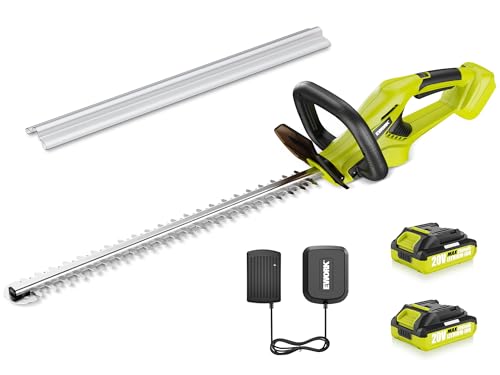
20V 22″ Cordless Hedge Trimmer 2 x 2.0Ah Battery and Charger
- ✓ Lightweight and easy to handle
- ✓ Powerful, stable motor
- ✓ Comfortable ergonomic design
- ✕ Battery life could be longer
- ✕ Blade cleaning required after use
| Blade Length | 22 inches (55.88 cm) |
| Cutting Diameter | 5/8 inch (15.88 mm) |
| Motor Type | Reinforced copper wire motor |
| Battery Voltage | 20V |
| Battery Capacity | 2.0Ah (per battery), two batteries included |
| Weight | 5.4 lbs (2.45 kg) including battery |
You know that frustrating moment when you’re halfway through trimming your hedge and the blade gets caught or stalls because your tool isn’t powerful enough? I hit that wall too many times with older trimmers, but the 20V 22″ Cordless Hedge Trimmer from EWORK changed that entirely.
The first thing I noticed was how effortless it was to handle. At just 5.4 pounds with the battery, it’s surprisingly lightweight—perfect for longer trimming sessions without arm fatigue.
The ergonomic design really shines, especially with the 180° rotating rear handle, which makes vertical and horizontal cuts a breeze. Plus, the wraparound front handle gave me a solid grip, even on thicker branches.
The 22″ dual-action laser blades cut smoothly through branches up to 5/8″ thick. I was impressed by its power, thanks to the reinforced copper wire motor that stays stable and doesn’t bog down.
It handled my overgrown bushes without any hesitation, making my yard work feel almost effortless.
Safety features are thoughtful too. The double-lock switch and independent blade guard gave me peace of mind, especially when storing it away.
The soft, non-slip full-length trigger felt comfortable during prolonged use, and the 180° rotating handle allowed for comfortable positioning in tricky spots.
Overall, this trimmer is a real game-changer for DIY garden work. It’s got the power, comfort, and safety features I need, all at a friendly price.
If you’re tired of struggling with bulky, underpowered tools, this might be the perfect upgrade.
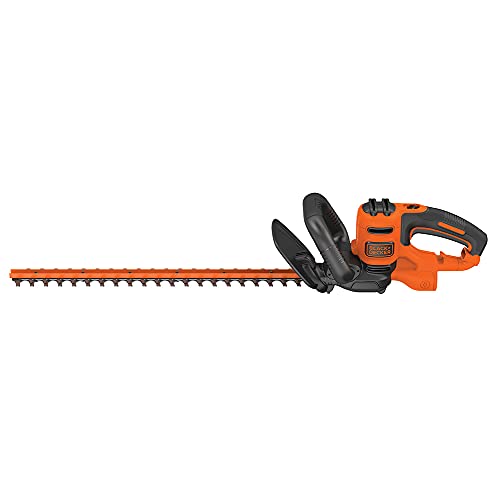
BLACK+DECKER 22″ Electric Hedge Trimmer, 4.0A, Dual Action
- ✓ Lightweight and easy to maneuver
- ✓ Smooth, low-vibration operation
- ✓ Powerful motor for thick branches
- ✕ Corded, no battery option
- ✕ Limited to 3/4 inch branches
| Blade Length | 22 inches |
| Motor Power | 4.0 amps |
| Cutting Capacity | Branches up to 3/4 inch thick |
| Blade Type | Dual-action blades |
| Vibration Reduction | Designed for reduced vibration during operation |
| Power Source | Corded electric |
As soon as I pulled the BLACK+DECKER 22″ Electric Hedge Trimmer out of the box, I noticed its solid build and lightweight feel. The 4.0A motor is encased in a sleek, dark gray body, with a bright orange safety switch for quick access.
Holding it, I appreciated the full wraparound front handle, which felt secure and comfortable in my hand.
The 22-inch dual-action blade is surprisingly smooth, gliding through thick branches with minimal vibration. I tested it on a variety of hedges, and it cut effortlessly through branches up to 3/4 inch thick.
The reduced vibration made it less tiring to use for longer periods, which is a huge plus.
Handling is easy thanks to its lightweight design. Even with extended use, I didn’t feel much strain on my arms.
The cord retainer is a thoughtful feature, preventing accidental unplugging during intensive trimming. The cord itself is long enough for most jobs, giving you plenty of freedom to move around.
One thing I really liked was how straightforward it was to operate. Just plug in, press the safety switch, and start trimming.
It’s perfect for tackling large bushes or shaping hedges without needing a ladder or extra tools. Overall, it feels reliable and ready for heavy-duty work, especially considering the four-year limited warranty, which adds peace of mind.
If you’re doing a lot of trimming around the yard, this trimmer offers a great balance of power, comfort, and ease of use. It’s not overly bulky, yet it packs enough punch to handle most DIY hedge projects with minimal fuss.
What Features Should I Look for in the Best DIY Hedge Trimmer?
When looking for the best DIY hedge trimmer, consider the following features:
- Power Source: Hedge trimmers can be powered by gas, electricity (corded), or batteries (cordless), each offering different benefits. Gas trimmers provide high power and are suitable for larger jobs, while electric models are quieter and easier to maintain. Cordless options offer mobility and convenience, making them ideal for smaller yards or tight spaces.
- Blade Length: The length of the blade affects how much foliage you can cut at once. Longer blades are better for tackling large hedges and reducing the time spent trimming, while shorter blades offer more maneuverability for detailed work. Choosing the right length depends on the size of your hedges and how often you perform maintenance.
- Weight and Balance: A lightweight and well-balanced trimmer is crucial for reducing user fatigue during extended use. Heavier models can be tiring to operate, especially for DIYers working on large projects. Look for models that distribute weight evenly to enhance control and comfort.
- Cutting Capacity: This refers to the maximum thickness of branches that the trimmer can handle effectively. A higher cutting capacity means you can trim thicker branches without stalling the motor, which is especially important for maintaining overgrown hedges. Check the manufacturer’s specifications to ensure the trimmer meets your needs.
- Safety Features: Look for features such as blade guards, safety switches, and anti-vibration technology to enhance user safety. These features help prevent accidents and reduce strain on the hands and arms, making the trimmer easier and safer to use for DIY projects. A secure grip is also essential for maintaining control while trimming.
- Ergonomic Design: An ergonomic design contributes to user comfort and reduces fatigue. Look for features like adjustable handles or rotating grips, which allow for various cutting angles and positions. A comfortable grip can make a significant difference during longer trimming sessions.
- Maintenance Requirements: Different hedge trimmers have varying maintenance needs, including blade sharpening, cleaning, and oiling. Consider models that are easy to maintain, as this will prolong their lifespan and ensure optimal performance. Some newer models even come with self-sharpening blades, which can save time and effort.
- Warranty and Support: A good warranty can provide peace of mind and protect your investment. Look for manufacturers that offer solid warranties and responsive customer support in case you encounter issues with your hedge trimmer. This ensures that you can get help when needed and have confidence in your purchase.
How Does Blade Type Affect the Performance of a Hedge Trimmer?
- Dual-Action Blades: These blades move in opposite directions, which reduces vibrations and allows for smoother cutting.
- Single-Action Blades: These blades move in one direction only, making them simpler but often less efficient than dual-action blades.
- Laser-Cut Blades: These blades are precision-engineered for clean cuts and tend to stay sharp longer, enhancing performance for both light and heavy trimming tasks.
- Diamond-Sharpened Blades: Offering superior sharpness and longevity, these blades can tackle tougher branches and provide a cleaner finish, ideal for DIY projects.
- Interchangeable Blades: Some trimmers come with the option to switch blades, allowing users to customize their tool for different hedge types and sizes.
Dual-Action Blades: These blades enhance the trimming experience by minimizing vibrations and providing a more balanced cut. This design allows for faster and more efficient trimming, making it a popular choice among DIY enthusiasts looking to maintain their gardens with less fatigue.
Single-Action Blades: While these blades are easier to maintain and typically lighter, they may require more effort to achieve a clean cut on thicker branches. For DIY users focusing on lighter trimming tasks, such as maintaining smaller hedges, single-action blades can still be effective.
Laser-Cut Blades: Known for their precision, laser-cut blades deliver clean cuts with minimal effort. They are engineered to remain sharp longer, making them suitable for users who want a reliable hedge trimmer that can handle both delicate and robust trimming tasks.
Diamond-Sharpened Blades: These blades are designed for durability and performance, providing sharpness that lasts longer than traditional blades. Ideal for DIYers tackling thicker hedges or shrubs, they ensure clean cuts that promote healthier plant growth.
Interchangeable Blades: This feature allows users to adapt their hedge trimmer for various jobs, from light pruning to heavy-duty cutting. It offers versatility, making it a smart choice for DIYers who want a single tool that can handle different types of hedges and shrubs efficiently.
Why Is the Power Source Important for DIY Hedge Trimmers?
The power source is crucial for DIY hedge trimmers because it directly impacts the tool’s efficiency, performance, and suitability for various tasks.
According to a study by the Consumer Product Safety Commission, the effectiveness of a hedge trimmer is significantly influenced by its power source, whether it be electric, gas, or battery-operated. Each type of power source offers different advantages, such as mobility, weight, and runtime, which can determine the ease of use and the quality of the trimming work.
The underlying mechanism of this relationship lies in the energy output and operational capabilities of the trimmer. For instance, gas-powered trimmers tend to deliver more power and longer run times, making them ideal for heavy-duty trimming tasks. In contrast, electric models are generally lighter and quieter, making them suitable for smaller jobs and residential areas. Battery-operated trimmers offer flexibility and convenience, but their runtime is limited by battery life, which can affect productivity. Thus, selecting the appropriate power source aligns with the user’s specific needs and the scale of the trimming project.
What Are the Leading Brands for DIY Hedge Trimmers?
The leading brands for DIY hedge trimmers include:
- Black+Decker: Known for its user-friendly designs, Black+Decker offers a variety of hedge trimmers that cater to both novice and experienced gardeners. Their models often feature lightweight construction and ergonomic grips, making them easy to handle during extended use.
- DeWalt: DeWalt is a trusted name in power tools, and their hedge trimmers are no exception. With robust build quality and advanced battery technology, they provide reliable performance for heavy-duty trimming tasks while ensuring longer run times and faster charging.
- Greenworks: This brand specializes in eco-friendly tools, including electric and battery-operated hedge trimmers. Greenworks products are designed to minimize environmental impact while still delivering powerful cutting performance, making them a great choice for environmentally conscious DIYers.
- Ryobi: Ryobi offers a comprehensive range of hedge trimmers that are compatible with their ONE+ battery platform, allowing users to interchange batteries across various tools. Their models often come with innovative features like rotating handles and laser-cut blades for precision cutting.
- Makita: Renowned for their professional-grade tools, Makita hedge trimmers are designed for durability and efficiency. Their models often include features like dual-action blades for reduced vibration and faster cutting, catering to those who need to tackle larger projects.
Which Brands Provide Reliable Performance at Affordable Prices?
Several brands are known for offering reliable hedge trimmers that balance performance and affordability, making them suitable for DIY enthusiasts.
- Black+Decker: Known for its user-friendly designs and affordability, Black+Decker offers a range of electric and battery-powered hedge trimmers. Their tools typically feature lightweight designs, making them easy to maneuver while providing sufficient power for most gardening tasks.
- Ryobi: Ryobi is popular for its versatile outdoor power equipment, including hedge trimmers that are part of their 18V ONE+ battery system. This allows users to interchange batteries between different tools, enhancing value and convenience while delivering reliable performance for trimming shrubs and hedges.
- Greenworks: Greenworks specializes in eco-friendly battery-powered tools and provides a range of hedge trimmers that are both powerful and quiet. Their products often feature innovative technologies that maximize battery life, making them ideal for homeowners looking to maintain their gardens without the noise of gas-powered equipment.
- Worx: Worx hedge trimmers are designed with ergonomic features and lightweight materials, making them comfortable to use over extended periods. They often incorporate advanced cutting technology, such as dual-action blades, which help achieve clean cuts while reducing vibration during operation.
- Sun Joe: Sun Joe offers affordable electric hedge trimmers that are ideal for smaller yards and light to moderate trimming tasks. Their products are often equipped with safety features and are designed for easy use, making them a great choice for DIY gardeners who value safety and ease of operation.
What Safety Precautions Should I Take When Using a DIY Hedge Trimmer?
When using a DIY hedge trimmer, it is essential to follow safety precautions to ensure proper handling and to avoid accidents.
- Wear Protective Gear: Always wear safety goggles, gloves, and ear protection when operating a hedge trimmer. This gear protects you from flying debris, sharp blades, and loud noises that can cause injury or hearing damage.
- Inspect the Equipment: Before using the hedge trimmer, inspect it for any signs of wear or damage. Ensure that the blades are sharp and properly secured, as dull or loose blades can lead to inefficient trimming and increased risk of accidents.
- Maintain Proper Stance: Stand firmly with your feet shoulder-width apart while using the trimmer. This stance provides better balance and control, reducing the risk of slipping or losing grip while cutting through thick branches.
- Keep the Work Area Clear: Clear the area of any obstacles, such as tools, garden debris, or uneven ground, before starting. A tidy work environment minimizes the risk of tripping or getting entangled in cords or branches.
- Use Two Hands: Always operate the hedge trimmer with both hands for better control and stability. This practice helps prevent accidents by ensuring that the trimmer is directed safely away from your body and others nearby.
- Be Aware of Your Surroundings: Stay alert and aware of your surroundings, including the presence of other people, animals, and overhead power lines. This awareness helps you avoid potential hazards while trimming.
- Follow Manufacturer Instructions: Always refer to the user manual for specific safety guidelines and operational procedures. Understanding the manufacturer’s recommendations ensures you use the hedge trimmer correctly and safely.
How Can I Maintain My DIY Hedge Trimmer for Optimal Longevity?
Proper maintenance of your DIY hedge trimmer is crucial for prolonging its lifespan and ensuring optimal performance. Follow these essential maintenance tips:
-
Cleaning: After each use, remove debris, dirt, and sap from the blades and body. Use a soft brush or cloth, and avoid using water directly, which can lead to rust.
-
Sharpening Blades: Dull blades can strain the motor and cause uneven cuts. Regularly sharpen blades using a sharpening stone or file. Ensure the tool is unplugged for safety.
-
Lubrication: Lubricate moving parts with suitable oil to minimize friction. Apply a few drops of machine oil to the gears and pivot points.
-
Battery Care (for cordless models): If your hedge trimmer is battery-operated, follow the manufacturer’s instructions for charging. Store batteries in a cool, dry place, and avoid leaving them completely discharged for extended periods.
-
Safety Checks: Inspect the trimmer for loose screws, damaged parts, or frayed wires. Address any safety issues before use.
-
Storage: Keep the trimmer in a dry, temperature-controlled area. Use a protective cover to shield it from dust and moisture.
Implementing these practices will help maintain performance and efficiency, extending the life of your hedge trimmer.
What Common Issues Might I Encounter with DIY Hedge Trimmers?
Common issues with DIY hedge trimmers include:
- Battery Life: Many DIY hedge trimmers, especially cordless models, can suffer from limited battery life, making it challenging to complete larger jobs without frequent recharging.
- Weight and Maneuverability: Some trimmers may be heavier than expected, leading to fatigue during prolonged use and making it difficult to maneuver around intricate areas.
- Blade Dullness: Over time, the blades can become dull, resulting in less effective trimming and the need for regular maintenance or replacement to ensure optimal performance.
- Safety Concerns: Improper use or lack of safety features can lead to accidents or injuries, highlighting the importance of adhering to safety guidelines while operating these tools.
- Noise Levels: Certain models can be quite noisy, which can be a nuisance to both the user and neighbors, especially in residential areas.
Battery life is a major concern as many hedge trimmers rely on rechargeable batteries which can deplete quickly during extensive use. Users may find themselves needing to halt work to recharge, which can lead to interruptions in their trimming tasks, especially for larger hedges.
Weight and maneuverability play significant roles in user comfort and efficiency. A heavier trimmer can cause muscle strain during extended use, and if the design is not ergonomic, it can make it difficult to reach tight spots or maintain precision while trimming.
Blade dullness is another common issue that affects the quality of the cut. Dull blades can tear rather than cut through branches, which can harm the plant and necessitate more frequent maintenance or replacement of the blades to maintain a clean and effective trimming action.
Safety concerns cannot be overlooked, as improper handling can result in accidents. Many DIY hedge trimmers may lack advanced safety features, making it crucial for users to understand how to operate them safely, including wearing appropriate protective gear.
Noise levels can be a significant drawback, particularly for electric and gas-powered models. These trimmers can produce loud sounds that may disturb the peace, making it essential for users to consider noise regulations in their area and potentially invest in quieter models if noise is a concern.
How Can I Troubleshoot Problems with My Hedge Trimmer?
When troubleshooting problems with your hedge trimmer, consider the following steps:
- Check the Power Source: Ensure that your hedge trimmer is properly connected to a power source or that the battery is charged. If it’s a gas-powered model, confirm that there is enough fuel and that the fuel mixture is correct.
- Inspect the Blades: Dull or damaged blades can lead to poor performance. Regularly inspect the blades for any signs of wear or damage and sharpen or replace them as necessary to achieve clean cuts.
- Examine the Safety Switch: If the hedge trimmer won’t start or suddenly stops, check the safety switch or trigger. Some models have safety features that can prevent operation if not engaged correctly.
- Look for Blockages: Debris such as branches, leaves, or twigs can get stuck in the cutting mechanism. Clear any obstructions carefully to avoid damaging the trimmer and ensure it operates smoothly.
- Check the Cables and Connections: For electric models, inspect the power cord for any cuts or frays. Damaged cables can lead to power issues, so replace them if necessary to ensure a reliable connection.
- Review the Manual: Refer to the manufacturer’s manual for troubleshooting tips specific to your model. Many manuals include a troubleshooting section that can help identify common issues and their solutions.
What Best Practices Should I Follow to Use a DIY Hedge Trimmer Efficiently?
To efficiently use a DIY hedge trimmer, consider the following best practices:
- Choose the Right Trimmer: Selecting the appropriate hedge trimmer for your needs is crucial. Consider factors such as the thickness of branches you will be cutting and the size of your hedges to ensure you have the right tool for the job.
- Wear Protective Gear: Always wear safety gear such as gloves, goggles, and sturdy footwear while using a hedge trimmer. This will protect you from debris and potential injuries during the trimming process.
- Maintain Sharp Blades: Keeping the blades of your hedge trimmer sharp is essential for efficient cutting. Dull blades can lead to uneven cuts and may damage the plants, so regularly sharpen or replace them as needed.
- Use Proper Technique: Employ the correct cutting technique by trimming at an angle and working from the bottom up. This helps to create a more uniform shape and reduces the strain on the trimmer.
- Plan Your Cuts: Before starting, plan your cuts to achieve the desired shape and size of your hedge. Visualizing the end result can help you make more precise cuts and avoid over-trimming.
- Trim at the Right Time: Timing is important when it comes to trimming hedges. Early spring or late summer is often the best time, as this encourages healthy growth and minimizes stress on the plants.
- Clean Up Debris: After trimming, be sure to clean up any debris left behind. This not only keeps your garden looking tidy but also prevents pests and diseases from taking hold in the leftover plant material.
- Check for Obstructions: Before you begin trimming, inspect the area for any obstructions like wires or hidden objects that could pose a hazard. Ensuring a clear workspace can prevent accidents and damage to your trimmer.