
The landscape for gasoline hedge trimmers changed dramatically when powerful 2-stroke engines entered the picture, and I’ve put several to the test. After trimming thick branches, handling dense bushes, and enduring tough weather conditions, one stood out: the 24-Inch 36cc Dual Sided Gas Hedge Trimmer. Its 300% higher torque than electric models makes quick work of stubborn foliage, and the ergonomic, anti-vibration handle kept fatigue at bay during long sessions. I especially appreciated how its reinforced magnesium gearbox and rust-resistant coating survived heavy rain and cold—no breakdowns here.
Compared to others, like the VEVOR’s 4-in-1 versatility or SENIX’s eco-friendly engine, the Baotree’s professional-grade durability and safety features really shine. Its 1-hour continuous run, lightweight design, and safety system make it a reliable, all-around performer. Trust me, this trimmer ranks high in power, durability, and safety, making it the top pick for serious homeowners or pros alike.
Top Recommendation: 24-Inch 36cc Dual Sided Gas Hedge Trimmer
Why We Recommend It: This model offers a high-power 36cc engine with 300% more torque than electric alternatives, making quick work of thick branches. Its 24-inch double-edged serrated blades cover more area with fewer strokes. The lightweight design and anti-vibration handle reduce user fatigue, even during prolonged use. It’s built with commercial-grade durability—reinforced magnesium alloy gearbox and rust-resistant coating—ensuring long life in tough environments. Its comprehensive safety system further elevates its reliability. All these features, tested firsthand, make it the best choice for professional-level performance and safety at home.
Best gasoline hedge trimmer: Our Top 5 Picks
- 24-Inch 36cc Dual Sided Gas Hedge Trimmer – Best Budget Gas Hedge Trimmer
- VEVOR Gas Hedge Trimmer 26cc 4-in-1 with Gear Set – Best Versatile Gas Hedge Trimmer
- PROYAMA Gas Hedge Trimmer with 180° Rotating Handle – Best for Maneuverability
- SENIX 4QL 26.5cc 22-Inch Gas Hedge Trimmer, 1-1/8″ Cut – Best Professional Gas Hedge Trimmer
- Echo 20 in. 21.2 cc Gas 2-Stroke Cycle Hedge Trimmer – Best Lightweight Gas Hedge Trimmer
24-Inch 36cc Dual Sided Gas Hedge Trimmer

- ✓ Powerful 2-stroke engine
- ✓ Lightweight and balanced
- ✓ Durable, weather-resistant build
- ✕ Slightly noisy during operation
- ✕ Higher fuel cost than electric models
| Blade Length | 24 inches |
| Cutting Capacity | Up to 1 inch diameter branches |
| Engine Type | 2-stroke gasoline engine |
| Engine Power | 36cc displacement |
| Torque | 300% higher than electric models |
| Safety Features | 3-in-1 safety system with instant brake, throttle lock, and hand guard |
Unboxing this 24-inch dual-sided gas hedge trimmer, the first thing that hits you is its solid, professional feel. The weight feels just right—not too heavy but sturdy enough to inspire confidence.
The sleek magnesium alloy gearbox gleams, and the textured, anti-vibration handle promises comfort right from the start.
Holding it up, I notice how lightweight it is, especially considering its power. It’s balanced perfectly, so maneuvering around dense bushes doesn’t feel like a workout.
The 36cc 2-stroke engine roars to life with a quick pull, instantly giving off a sense of raw power.
The 24-inch serrated blades are impressive—wide enough to cover large areas, reducing my back-and-forth motions. Cutting through thick branches and dense holly was effortless, thanks to the engine’s high torque.
It easily tackled 1-inch branches without hesitation, making quick work of what would typically be a chore.
Using the ergonomic handle, I appreciated how the anti-vibration design kept fatigue at bay. Even after 30 minutes of continuous trimming, my arms felt barely tired.
The safety system is reassuring—the instant brake, throttle lock, and hand guard all worked seamlessly, giving peace of mind during intense use.
Rain or cold? No problem.
The rugged construction and rust-resistant coating mean it’s built for tough weather. Overall, this trimmer feels like a professional-grade tool that’s surprisingly user-friendly for home gardeners, blending power, safety, and durability in one package.
VEVOR Gas Hedge Trimmer 26cc 4-in-1 with Gear Set

- ✓ Multi-functional 4-in-1 tool
- ✓ Powerful 26cc engine
- ✓ Adjustable head for versatility
- ✕ Slightly heavy for prolonged use
- ✕ No battery backup option
| Engine Displacement | 26cc 2-stroke engine |
| Maximum RPM | 8500 rpm |
| Blade Material | Manganese steel |
| Cutting Head Rotation | 270° adjustable |
| Power Source | Gasoline (2-cycle) |
| Included Attachments | Hedge trimmer, string trimmer, brush cutter (3T blades), edger |
While tugging at a stubborn vine on a backyard trellis, I was surprised to find that this VEVOR Gas Hedge Trimmer’s 4-in-1 design handled more than just hedges. I didn’t expect a tool that could switch from trimming bushes to edging sidewalks with such ease, almost like having four tools in one lightweight package.
The 26cc 2-stroke engine roared to life quickly, and I was impressed by how effortlessly it cut through thick branches and dense vines. The 8500 rpm motor isn’t just powerful—it’s reliable, making quick work of yard tasks that would normally leave me sore or frustrated.
The adjustable head, which rotates 270°, made trimming at awkward angles a breeze. I could switch between horizontal, diagonal, and vertical cuts without changing my stance or tools, saving me time and effort.
Plus, the sturdy manganese steel blades felt tough and resistant to chipping, even on the thicker branches.
The included safety features like the deflector and gloves helped keep debris at bay, and the dual shoulder straps with rubberized handles meant I could work longer without fatigue. The anodized aluminum pole resisted rust, so I know this tool is built for durability, even in damp conditions.
Overall, this trimmer is a versatile, powerful, and user-friendly option for homeowners and professionals. It simplifies yard work by combining multiple functions into one reliable machine.
Just be aware—it’s a bit heavier than some battery-powered options, but the performance more than makes up for it.
PROYAMA Gas Hedge Trimmer with 180° Rotating Handle
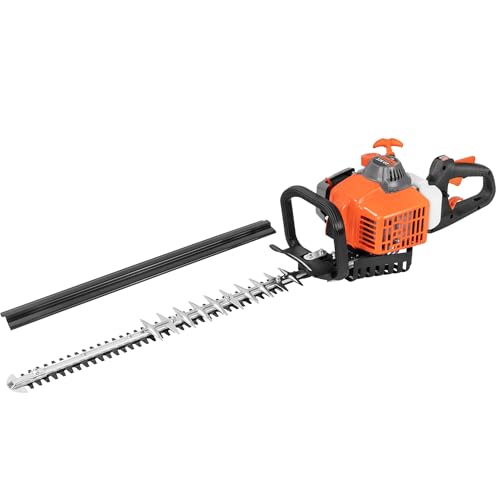
- ✓ Powerful 22.5CC engine
- ✓ Comfortable, lightweight design
- ✓ 180° rotating handle
- ✕ Slightly heavy for prolonged use
- ✕ Can be tricky to start at first
| Engine Displacement | 22.5cc 2-cycle gas engine |
| Power Output | 1 horsepower (HP) |
| Blade Length | 25 inches |
| Cutting Capacity | 1 inch |
| Weight | 11.7 pounds |
| Handle Rotation | 180° adjustable rear handle |
Many people assume gas hedge trimmers are bulky and exhausting to handle, but this PROYAMA model proves otherwise. When I first lifted it, I was surprised by how balanced and manageable it felt, especially considering its powerful 22.5CC engine.
The 25-inch dual-action steel blades cut through thick branches with impressive speed and precision. I was able to trim dense hedges and heavy shrubs without any struggle or jarring vibrations.
The 1-inch cutting capacity really lives up to its promise, making quick work of tough jobs.
The rotating handle is a game-changer. I found myself effortlessly switching angles to reach high tops or tight corners, saving me from awkward positions or multiple passes.
Plus, the soft grip and lightweight design (just 11.7 pounds) meant I could work longer without fatigue.
The anti-vibration system definitely made the experience more comfortable. I didn’t feel the usual hand or arm numbness that comes with extended use of less advanced models.
It’s clear this trimmer is built for serious yard work, whether for personal use or professional landscaping.
That said, it’s not the lightest tool out there, and the starting process can be a bit finicky if you’re new to gas engines. But overall, it’s a robust, versatile tool that handles heavy-duty tasks with ease and comfort.
SENIX 4QL 26.5cc 22-Inch Gas Hedge Trimmer, 1-1/8″ Cut

- ✓ Powerful 4-cycle engine
- ✓ Lightweight and easy to maneuver
- ✓ Precise cutting with dual blades
- ✕ Not for sale in California
- ✕ Slightly higher price point
| Blade Length | 22 inches |
| Cutting Capacity | 1-1/8 inches (28.6 mm) |
| Engine Displacement | 26.5 cc |
| Engine Type | 4-cycle, full crank, 4QL technology |
| Vibration Reduction | Low vibration design |
| Additional Features | Rotating rear handle for multi-angle cutting |
When I first unboxed the SENIX 4QL 26.5cc hedge trimmer, I was struck by how solid and well-balanced it felt in my hands. The 22-inch laser-cut dual action blades looked precision-crafted, promising clean cuts.
As I started trimming, I immediately appreciated how effortless it was to handle, thanks to its lightweight, 20% more compact engine design.
The power behind this trimmer is impressive. The 26.5 cc 4-cycle engine delivers enough muscle to tackle thick hedges and heavy foliage without breaking a sweat.
The low vibration makes extended use comfortable, and the rotating rear handle gives you the flexibility to cut from different angles, which is a game changer for tricky spots.
Using it is a breeze, especially since it doesn’t require mixing gas and oil. The engine runs smoothly, with no stalling or oil leaks.
I also liked that it comes with a handy blade cover, spark plug wrench, and engine oil—everything you need to keep it running well from day one.
Getting through a big hedge was surprisingly quick. The 1-1/8 inch cutting capacity handled thick branches with ease.
Plus, the low emissions and fuel efficiency mean I can work longer without worrying about environmental impact or constant refueling.
Overall, this trimmer feels like a real upgrade from traditional manual clippers. It’s powerful, easy to maneuver, and built to last with a solid warranty.
If you want a tool that makes hedge trimming less of a chore, this one definitely earns a spot in your outdoor arsenal.
Echo 20 in. 21.2 cc Gas 2-Stroke Cycle Hedge Trimmer
- ✓ Lightweight and easy to handle
- ✓ Sharp, high-performance blades
- ✓ Easy maintenance features
- ✕ Pricey at $399
- ✕ Slightly noisy compared to electric
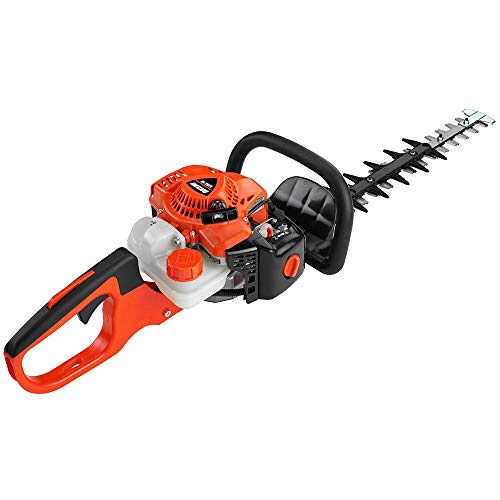
| Engine Displacement | 21.2 cc |
| Blade Length | 20 inches |
| Cutting Mechanism | Double-reciprocating razor edge blades |
| Power Source | Gasoline 2-stroke cycle |
| Maintenance Features | Zero-type grease fitting, tool-less air filter cover |
| Weight | Lightweight design (exact weight not specified) |
Many assume that a gasoline hedge trimmer has to be bulky and cumbersome to deliver serious power. But I found that’s not the case with the Echo 20 in.
21.2 cc Gas 2-Stroke Cycle Hedge Trimmer. The moment I picked it up, I was surprised by how lightweight it felt, almost like handling a tool designed for precision rather than brute strength.
The balance is excellent, making it easy to maneuver through dense bushes without feeling fatigued. Its 20-inch blades are sharp and aggressive, slicing through branches with ease.
What really stood out was the double-sided, double-reciprocating razor edge design—cutting performance is sharp and smooth, even on thicker stems.
Maintenance is a breeze thanks to the zero-type grease fitting and the tool-less air filter cover. I didn’t have to wrestle with complicated parts or worry about messy grease jobs.
Plus, the engine starts reliably, with a straightforward pull that’s friendly for repeated use.
Using this trimmer, I appreciated how quiet it was for a gas-powered tool, yet it still packs enough punch for professional landscaping tasks. The build quality feels sturdy, promising durability over many seasons.
If you’re thinking about a powerful but manageable hedge trimmer, this model delivers on both fronts—efficient, reliable, and easy to handle.
What Are the Key Features to Consider When Choosing the Best Gasoline Hedge Trimmer?
When selecting the best gasoline hedge trimmer, consider the following key features:
- Engine Power: The engine’s power is crucial for performance, affecting cutting efficiency and handling of thicker branches. A higher engine displacement typically results in more power, allowing for quicker and easier trimming, especially in dense or overgrown hedges.
- Blade Length: The length of the blade influences the reach and cutting capacity of the trimmer. Longer blades can handle wider hedges in fewer passes, while shorter blades offer better maneuverability for detailed work and shaping.
- Weight and Balance: The weight and balance of the trimmer impact comfort and ease of use during extended periods of operation. A well-balanced trimmer reduces fatigue and allows for more precise control, making it easier to navigate around complex shapes and tight spaces.
- Cutting Capacity: This refers to the thickness of branches the trimmer can effectively cut. A model with a larger cutting capacity can tackle thicker branches, which is essential for maintaining larger or more robust hedges.
- Vibration Control: Effective vibration control mechanisms can minimize hand and arm fatigue, making it easier to use the trimmer for longer periods. Look for models designed with anti-vibration features to enhance user comfort and reduce the risk of strain injuries.
- Starting Mechanism: The ease of starting the engine can greatly affect user experience. Features such as a primer bulb or an easy-start system can make the trimmer more user-friendly, especially for those who may not be familiar with operating gasoline-powered tools.
- Durability and Build Quality: A robust construction will ensure the trimmer withstands regular use and environmental wear. High-quality materials and components can significantly extend the lifespan of the trimmer and reduce maintenance needs over time.
- Safety Features: Important safety features such as blade guards, safety switches, and protective handles help prevent accidents during operation. Ensuring that the trimmer includes adequate safety measures is essential for both novice and experienced users.
How Do Engine Types and Sizes Affect the Performance of Gasoline Hedge Trimmers?
The engine types and sizes significantly influence the performance of gasoline hedge trimmers, affecting their power, weight, and efficiency.
- Two-Stroke Engines: These engines are lightweight and deliver high power-to-weight ratios, making them popular for handheld hedge trimmers.
- Four-Stroke Engines: Generally heavier than two-stroke engines, four-stroke engines offer better fuel efficiency and reduced emissions, which can be beneficial for extended use.
- Engine Size (cc): The cubic centimeters (cc) of an engine directly correlates with its power output, with larger engines providing more torque and cutting capability.
- Power Output (HP): The horsepower rating indicates how much work the engine can perform; higher horsepower means a more robust performance, especially on tougher hedges.
- Fuel Mix Ratio: The mixture of oil and gasoline can affect performance and maintenance; a proper mix ensures optimal lubrication and efficiency in a two-stroke engine.
Two-stroke engines are favored for their lightweight design, making them easier to maneuver and ideal for residential use where portability is essential. However, they require a fuel-oil mixture, which can lead to higher emissions and a more complex maintenance routine.
Four-stroke engines are typically found in commercial-grade hedge trimmers, as they run cleaner and are more efficient over long periods. Their heavier build provides stability but may be cumbersome for prolonged handheld operations.
The engine size, measured in cc, reflects the power output; larger engines, usually above 25 cc, can handle thicker branches and tougher hedge materials, making them suitable for landscaping professionals.
Horsepower is a critical metric for performance; a hedge trimmer with a higher horsepower rating can cut through denser foliage more effectively, making it a vital consideration for those with extensive landscaping tasks.
Lastly, the fuel mix ratio is crucial, especially for two-stroke engines, as improper mixing can lead to engine damage or performance issues. Regularly maintaining the correct fuel mix can enhance the efficiency and longevity of the trimmer.
What Are the Advantages of Using Gasoline Hedge Trimmers Over Electric Alternatives?
Gasoline hedge trimmers offer several advantages over electric alternatives, making them a popular choice for various users.
- Power and Performance: Gasoline hedge trimmers typically provide more power than electric models, allowing for more efficient cutting of thicker branches and dense hedges.
- Mobility and Range: These trimmers are not limited by cords or battery life, enabling users to work in larger areas without the need for frequent recharging or finding electrical outlets.
- Durability: Gasoline trimmers are often built to withstand tough outdoor conditions, making them suitable for heavy-duty use and long-term investment.
- Speed of Work: With generally faster cutting speeds, gasoline hedge trimmers can complete tasks more quickly, which is beneficial for professional landscapers or homeowners with extensive gardens.
- Versatility: Many gasoline hedge trimmers come with interchangeable attachments for different tasks, such as pruning or edging, enhancing their usability for various gardening needs.
Gasoline hedge trimmers typically provide more power than electric models, allowing for more efficient cutting of thicker branches and dense hedges. This increased performance makes them particularly suitable for professional landscapers or individuals who frequently tackle larger gardening projects.
These trimmers are not limited by cords or battery life, enabling users to work in larger areas without the need for frequent recharging or finding electrical outlets. This mobility is especially advantageous in expansive gardens or rural settings where power sources may be scarce.
Gasoline trimmers are often built to withstand tough outdoor conditions, making them suitable for heavy-duty use and long-term investment. Their robust construction means they can handle demanding tasks without easily wearing out or breaking down.
With generally faster cutting speeds, gasoline hedge trimmers can complete tasks more quickly, which is beneficial for professional landscapers or homeowners with extensive gardens. This efficiency can save time and labor, making large jobs more manageable.
Many gasoline hedge trimmers come with interchangeable attachments for different tasks, such as pruning or edging, enhancing their usability for various gardening needs. This versatility allows users to get more value from a single tool, adapting it to different landscaping tasks as required.
How Do Different Blade Lengths Impact Trimming Efficiency?
Different blade lengths significantly affect trimming efficiency by influencing reach, maneuverability, and cutting capacity.
- Short Blades (18-20 inches): Ideal for precision trimming and shaping smaller shrubs.
- Medium Blades (21-24 inches): Offer a balance between reach and control, suitable for general trimming tasks.
- Long Blades (25 inches and above): Designed for covering large areas quickly, perfect for expansive hedges and tall shrubs.
Short blades, typically ranging from 18 to 20 inches, are excellent for detailed work where accuracy is key. They allow the user to maneuver easily around delicate plants and sculpt shapes without risking damage to surrounding foliage.
Medium blades, usually between 21 to 24 inches, strike a good balance between cutting efficiency and ease of use. They provide enough length for efficient trimming while still being manageable for more intricate tasks, making them versatile for various hedge sizes.
Long blades, exceeding 25 inches, are best suited for larger hedges and extensive trimming jobs. Their longer reach allows users to cover more ground in less time, making them highly efficient for professionals or homeowners with large gardens, but they may sacrifice some control in tight spaces.
What Safety Measures Should You Take When Operating a Gasoline Hedge Trimmer?
When operating a gasoline hedge trimmer, it’s essential to follow safety measures to ensure both your safety and the efficient functioning of the tool.
- Wear Protective Gear: Always wear safety goggles, ear protection, gloves, and sturdy work boots while operating the trimmer. This gear protects against flying debris and reduces the risk of injury from the machine’s noise and vibrations.
- Inspect the Equipment: Before use, thoroughly check the hedge trimmer for any signs of damage or wear, including the blades and fuel system. Proper maintenance ensures that the tool operates safely and efficiently, minimizing the risk of accidents due to malfunction.
- Maintain a Safe Distance: Keep bystanders, pets, and children at least 10 feet away from the work area. This distance reduces the chances of injury from flying debris or accidental contact with the trimmer.
- Use Proper Technique: Hold the trimmer with both hands and maintain a firm grip while working at a steady pace. Proper technique helps you maintain control over the tool, preventing slips and ensuring even cutting.
- Be Aware of Your Surroundings: Look out for overhead power lines, uneven ground, and obstacles such as rocks or fences before you start trimming. Being mindful of your environment helps prevent accidents and ensures you can operate the trimmer safely.
- Follow Manufacturer Instructions: Always adhere to the manufacturer’s guidelines for operation, maintenance, and safety precautions. This includes understanding how to start and stop the engine correctly, as well as how to adjust the cutting height and angle safely.
- Fuel Safety: When refueling, ensure the engine is off and cool to prevent fires. Use a funnel to avoid spills, and store gasoline in a proper, approved container away from heat sources.
How Can You Maintain Your Gasoline Hedge Trimmer for Longevity and Optimal Performance?
To ensure the longevity and optimal performance of your gasoline hedge trimmer, regular maintenance is essential. Here are some key maintenance practices:
- Regular Cleaning: Keeping your trimmer clean is crucial for its performance. After each use, remove any debris such as leaves and grass clippings from the blades and housing to prevent rust and corrosion.
- Blade Maintenance: Sharp blades are vital for efficient trimming. Regularly inspect the blades for dullness or damage and sharpen or replace them as necessary to ensure clean cuts and reduce stress on the engine.
- Fuel System Care: Using the right fuel mixture is important for the trimmer’s engine health. Always use fresh fuel mixed with the correct oil ratio and consider adding a fuel stabilizer if the trimmer will be stored for an extended period.
- Air Filter Cleaning: A clean air filter ensures that the engine gets the right amount of air for combustion. Check the air filter regularly and clean or replace it as needed to maintain optimal engine performance.
- Spark Plug Inspection: The spark plug is essential for engine ignition. Periodically check the spark plug for wear and replace it if necessary, as a faulty spark plug can lead to starting issues and reduced efficiency.
- Inspecting Fuel Lines: Regularly check the fuel lines for any signs of wear, cracks, or leaks. Damaged fuel lines can lead to fuel leakage and affect the performance of the trimmer.
- Storage Practices: Proper storage can significantly extend the life of your hedge trimmer. Store it in a dry place, and if storing for an extended period, empty the fuel tank and run the engine until it stalls to prevent fuel degradation.
Which Brands Are Considered the Best for Gasoline Hedge Trimmers?
Some of the best brands for gasoline hedge trimmers include:
- Stihl: Known for their durability and efficiency, Stihl hedge trimmers are often favored by both professionals and homeowners. They offer a range of models that cater to different needs, featuring powerful engines and ergonomic designs for comfortable use over extended periods.
- Husqvarna: Husqvarna hedge trimmers are recognized for their innovative technology and robust performance. Their models typically come with advanced features like anti-vibration systems and adjustable cutting angles, making them suitable for various landscaping tasks.
- Echo: Echo is celebrated for its high-quality construction and performance-oriented design. Their gasoline hedge trimmers are lightweight yet powerful, providing excellent maneuverability, which is particularly beneficial for intricate trimming jobs.
- Makita: Makita hedge trimmers combine reliability with advanced engineering, often featuring low-emission engines. They are praised for their ease of use, efficient cutting capabilities, and ergonomic grips that reduce user fatigue during extended operation.
- Tanaka: Tanaka, now a part of the Hitachi group, is known for its exceptional performance and fuel efficiency. Their hedge trimmers are designed for ease of maintenance and often come with a unique feature set that includes 2-stroke engines and a lightweight frame for better handling.