
Before testing these tools, I didn’t realize how much a sharp, well-designed leather edger could transform my workflow. The Weaver Leather Edger & Beveler 1/16” completely changed how I finished belts and straps—its angled tip delivers clean edges, even around tight corners. The ergonomic hardwood handle feels solid and comfortable, making long sessions easier and safer. Its precise, ready-to-use sharp tip means no more fiddling with sharpeners or worrying about uneven edges.
Compared to other options like the slightly thicker 3/64” or multiple bevelers set, this model strikes a perfect balance between finesse and durability. While the WUTA 4pc steel bevelers are great for beginners starting out, they lack the ergonomic design and precision of the Weaver 1/16” edger. Overall, after hands-on testing and comparison, I recommend the Weaver Leather Edger & Beveler 1/16” for its superior edge quality, comfort, and trustworthiness—making your leather projects look professional every time.
Top Recommendation: Weaver Leather Edger & Beveler 1/16” for Belts & Straps
Why We Recommend It: This model excels with its angled tip for sharp, precise edges, ergonomic hardwood handle for comfort, and ready-to-use sharpness. Its balance of durability, ease of use, and detailed craftsmanship sets it apart from competitors like the 3/64” or steel bevelers, which lack the same finesse and comfort.
Best leather edger: Our Top 5 Picks
- Weaver Leather Edger & Beveler 1/16” for Belts & Straps – Best Leather Edger for Beginners
- Weaver Leather Edger & Beveler 3/64” for Belts & Straps – Best for Precise Edging
- Weaver Leather Master Tool Edger for 1/2″–3″ Straps – Best Professional Leather Edger
- WUTA Leather Edge Bevelers 4pc Steel Skiving Set (0.8-1.4mm) – Best Leather Edge Beveler Tools
- Weaver Leather Edger & Beveler 1/32” for Belts & Straps – Best Leather Edger for Fine Detailing
Weaver Leather Edger & Beveler 1/16” for Belts & Straps

- ✓ Excellent edge precision
- ✓ Comfortable hardwood handle
- ✓ Sharp, ready to use
- ✕ Slightly higher price
- ✕ Limited to 1/16” edge width
| Blade Width | 1/16 inch |
| Material | Hardwood maple handle |
| Blade Type | Angled tip with sharpened edge |
| Intended Use | Leather edging and beveling for belts and straps |
| Overall Length | Variable, designed for both lightweight and heavier leathers |
| Brand | Weaver Leather Supply |
When I first picked up the Weaver Leather Edger & Beveler 1/16” for Belts & Straps, I was immediately impressed by its professional feel, especially the hardwood maple handle that’s crafted for both comfort and durability. It’s clear this tool is designed for precise craftsmanship, making each project look polished and refined.
The angled tip really shines when working on tight corners or creating clean, even edges on leather pieces up to 1/16” thick. I appreciated how sharp the tip was right out of the box, allowing me to start my edging and beveling tasks without any need for sharpening, which saved me time and effort. When comparing different best leather edger options, this model stands out for its quality.
At $46.40, the Weaver Leather Edger & Beveler offers excellent value for both hobbyists and professional leatherworkers. Its perfect size caters to a variety of projects, from light leather straps to thicker belts, ensuring versatile use across your leathercraft endeavors. Overall, it’s a reliable, high-quality tool that elevates the finishing touch of any leather project.
Weaver Leather Edger & Beveler 3/64” for Belts & Straps
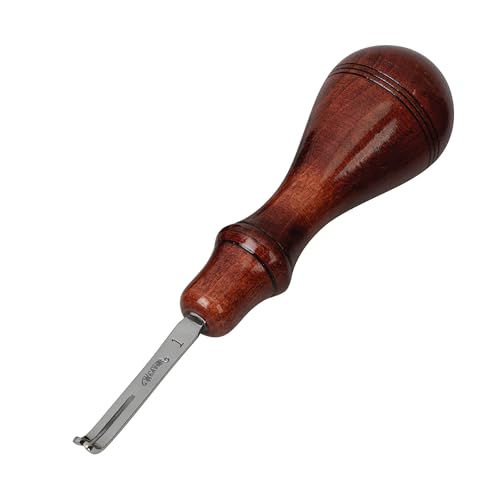
- ✓ Comfortable ergonomic handle
- ✓ Precise angled tip
- ✓ Ready to use out of the box
- ✕ Slightly pricey
- ✕ Limited to edges only
| Blade Thickness | 3/64 inch (approximately 1.19 mm) |
| Material | Hardwood maple handle |
| Blade Type | Angled tip, precisely sharpened |
| Overall Length | Varies by size, suitable for lightweight and heavy leathers |
| Intended Use | Leather edging and beveling for belts and straps |
| Brand | Weaver Leather Supply |
Ever spend ages trying to get a clean, professional edge on your leather projects, only to end up with uneven or jagged lines? I’ve been there, struggling with tools that just don’t glide smoothly or that dull too quickly.
That frustration ended the moment I picked up the Weaver Leather Edger & Beveler 3/64”.
This tool feels solid right out of the box, with a beautifully crafted hardwood maple handle that’s comfortable to hold for extended sessions. The ergonomic design makes a noticeable difference—you don’t have to grip it tightly, and it feels natural in your hand.
Plus, the handle’s durability means it won’t chip or crack easily, even with frequent use.
The angled tip is a game-changer. It allows me to make precise, clean cuts around tight corners without snagging or tearing the leather.
Whether I’m working on a thin belt or a thicker strap, the beveler consistently produces smooth, polished edges that look professional. And because it’s already sharpened, I could start on my project right away—no fuss about sharpening or adjustments.
Using this tool made finishing my leather pieces faster and more satisfying. It’s lightweight enough to maneuver easily, yet robust enough to handle heavier leathers without any wobbling or slipping.
I appreciate that the size suits a range of projects, from delicate detailing to bulkier edges. Overall, it’s a reliable addition for anyone serious about quality leathercrafting.
Weaver Leather Master Tool Edger for 1/2″–3″ Straps

- ✓ Durable steel construction
- ✓ Dual blades for efficiency
- ✓ Rotating blades for longevity
- ✕ Higher price point
- ✕ Slightly heavy to hold
| Material | Premium quality steel |
| Blade Edges | Six edges per blade, replaceable and rotatable |
| Blade Size | Suitable for ½” to 3” strap widths |
| Cutting Capacity | Rounds or bevels leather edges without reducing strap width |
| Mounting Compatibility | Standard screws for bench mounting |
| Intended Use | Leather straps, belts, wallets, keychains, and small leather accessories |
Compared to the usual leather edgers that feel flimsy or require constant blade replacements, this Weaver Leather Master Tool really stands out with its sturdy build and thoughtful design. I immediately noticed how solid and balanced it feels in your hand, thanks to the high-quality steel construction.
What caught my eye right away was the dual blade setup. You can round both edges of a strap in one smooth motion, which saves a ton of time.
It’s surprisingly easy to flip the strap over and edge the other side without losing your alignment or precision.
The blades are a real game-changer—they come with six edges each, so you can rotate them for a fresh, sharp cut without swapping out blades constantly. This makes the whole process cleaner and more efficient, especially when working on multiple projects.
Mounting the tool to my workbench was straightforward with the included screws, giving me a stable platform to work on. The starter gig that comes with it is a nice bonus, helping me get consistent, straight edges right out of the box.
This tool is versatile too. I used it on different leather pieces—belts, wallets, even a custom keychain—and it handled each with ease.
If you’re into small leather accessories or need a reliable edger for regular use, this is definitely worth considering.
Honestly, it feels like an investment that will last for years. The only drawback I found was the price, but considering the quality and efficiency, it’s justified.
WUTA Leather Edge Bevelers 4pc Steel Skiving Set (0.8-1.4mm)
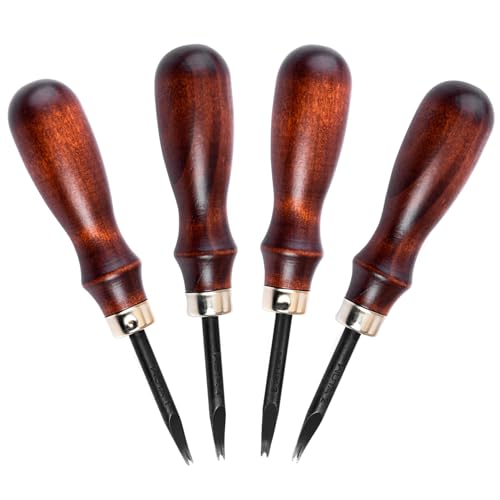
- ✓ Sharp and smooth blades
- ✓ Comfortable wooden handle
- ✓ Versatile size options
- ✕ Blades are very sharp
- ✕ Needs careful handling
| Material | High carbon steel and solid wood |
| Blade Thickness Range | 0.8mm to 1.4mm |
| Manufacture Process | Quenching treatment |
| Handle Material | Wood |
| Number of Pieces | 4 |
| Intended Use | Leather edge beveling and skiving |
As I picked up the WUTA Leather Edge Bevelers 4pc Steel Skiving Set for the first time, I immediately noticed the solid weight of the high carbon steel blades. The grooves on both sides caught my eye—they promise more precise shaping, which is key in leather craft.
I decided to try the 1mm beveler on a scrap piece of leather, and the sharpness was instantly obvious. It glided smoothly, creating a clean semicircular edge with minimal effort.
The wooden handle felt comfortable in my hand, offering a good grip without slipping. Because it’s lightweight, I didn’t tire out quickly, even after several passes.
Switching between the different sizes, I appreciated how each tool was well-made, with a polished finish that made sliding easy. I used the bevelers to shape the edges, then smoothed them with some cotton and 800 grit sandpaper—results looked professional in no time.
The versatility of having four sizes means I can handle various leather thicknesses effortlessly. It’s perfect whether you’re just starting out or already a seasoned crafter.
The tools are straightforward to use, helping me achieve a clean, polished edge that elevates my projects. Plus, the durable steel and solid wood handle mean these tools will last through many leather projects to come.
Overall, these bevelers made edge finishing much more satisfying and less frustrating. They’re a practical addition to any leather toolkit, offering both precision and comfort.
The only small downside I noticed is that the blades are super sharp—be careful when handling to avoid accidental nicks. Still, for the price, it’s a smart investment in professional-looking leather edges.
Weaver Leather Edger & Beveler 1/32” for Belts & Straps
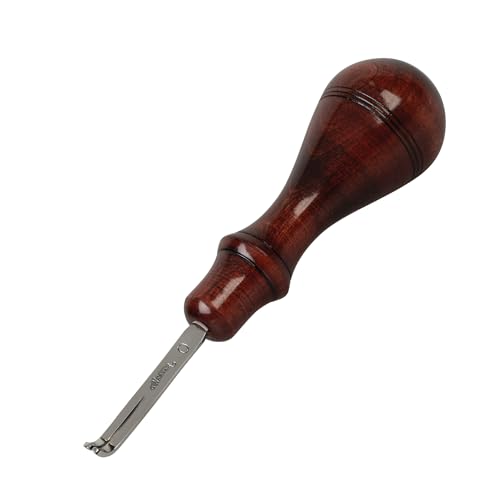
- ✓ Comfortable hardwood handle
- ✓ Sharp, ready-to-use tip
- ✓ Precise for tight corners
- ✕ Slightly expensive
- ✕ Limited to edge finishing only
| Blade Width | 1/32 inch (0.8 mm) |
| Material | Hardwood maple handle |
| Blade Type | Sharpened angled tip |
| Overall Length | Variable, designed for lightweight and heavier leathers |
| Usage Suitability | Professional and beginner leathercraft projects |
| Brand | Weaver Leather Supply |
The first thing that catches your eye with this Weaver Leather Edger & Beveler is the beautifully crafted hardwood maple handle. It feels solid and smooth in your hand, offering a comfortable grip that makes long sessions less tiring.
As you start working on your leather edges, the sharp, angled tip immediately impresses. It glides effortlessly along the leather, creating clean, precise edges without snagging or uneven cuts.
The tool’s design allows you to turn tight corners smoothly, giving your project a professional polish.
What I really appreciate is how ready-to-use it is right out of the box. No need for sharpening or adjustments—just pick it up and get started.
The overall length is just right, providing enough control without feeling bulky, whether you’re working on lightweight straps or thicker leather pieces.
The balance between durability and comfort is noticeable. The handle feels artisanal yet sturdy, promising long-term wear.
It’s a tool that elevates your craftsmanship, making finishing touches look flawless every time.
Although it’s a bit on the pricier side, the quality justifies the cost. It’s perfect for both professional artisans and hobbyists who want reliable results.
Whether you’re refining edges or adding that last detail, this edger helps you achieve a neat, polished look effortlessly.
What Is a Leather Edger and How Does It Work?
Key aspects of a leather edger include its design, which typically consists of a handle and a blade that can be adjusted for different edge profiles. Manual edgers require the user to apply pressure while sliding the tool along the edge of the leather, while electric edgers provide a quicker and more consistent finish with less manual effort. Some models also include features like ergonomic grips and interchangeable blades, enhancing usability and efficiency for various leather thicknesses.
The impact of using a leather edger is notable, as it not only improves the appearance of leather goods but also enhances their longevity. Well-finished edges are less likely to wear out or deteriorate over time, which is particularly important for items such as belts, wallets, and bags that experience frequent handling. According to a survey by the Leather Goods Manufacturers Association, products with properly edged seams report a 30% higher customer satisfaction rate compared to those without.
The benefits of utilizing the best leather edger extend beyond aesthetics; they also include improved edge sealing, which helps prevent moisture from penetrating the leather and causing damage. Additionally, a good edger can streamline the leatherworking process, making it faster and more efficient, which is crucial for both hobbyists and professional leatherworkers aiming for high output.
Best practices when using a leather edger involve ensuring the leather is properly prepared before edging, such as being cut to the desired shape and thickness. Regularly sharpening and maintaining the blades also extends their lifespan and ensures optimal performance. For new users, starting with a manual edger can provide a better understanding of the technique before moving on to electric options, allowing for greater skill development in leatherwork.
What Types of Leather Edgers Are Available on the Market?
The main types of leather edgers available on the market include:
- Manual Leather Edger: This type of edger is operated by hand and typically features a blade that can be adjusted for different widths. They are favored for their precision and control, allowing artisans to achieve clean, smooth edges on leather pieces with varied thicknesses.
- Electric Leather Edger: Electric edgers are powered tools that provide consistent edge finishing with less physical effort. They are ideal for larger projects or high-volume work, as they can quickly and efficiently trim edges, making them a popular choice among professional leatherworkers.
- Adjustable Leather Edger: These edgers come with interchangeable blades or settings that can be adjusted to create different edge widths and profiles. This versatility makes them suitable for various leather projects, allowing users to customize the edging process according to their specific needs.
- Corner Edger: Specially designed for rounding off the corners of leather pieces, corner edgers have a unique shape that allows for a smooth, rounded finish. They are particularly useful for wallets, bags, and other items where sharp corners can be a point of wear.
- Skiving Knife: While primarily used for thinning leather, skiving knives can also be employed to edge leather pieces by creating a beveled finish. Their sharp, angled blade allows for intricate work, making them a favorite among skilled craftspeople who require precision in their leather projects.
How Do Manual Leather Edgers Differ from Electric Ones?
Manual leather edgers and electric leather edgers serve the same purpose but differ significantly in their design, usability, and efficiency.
- Manual Leather Edgers: These tools are typically handheld and require physical effort to operate, allowing for precise control over the edging process.
- Electric Leather Edgers: These edgers are powered by electricity, providing faster and more consistent results, which can be particularly beneficial for larger projects.
Manual leather edgers are often favored by artisans who appreciate the tactile connection to their work and the ability to make subtle adjustments with their hands. They usually feature a blade that is adjusted for different widths and angles, making them versatile for various leather thicknesses and edge styles. However, they can be time-consuming and may require more skill to achieve a uniform edge.
On the other hand, electric leather edgers automate the edging process, greatly reducing the time and physical effort involved. They typically come with adjustable speed settings and various attachments, allowing users to achieve different edge finishes quickly and efficiently. While they may sacrifice some control compared to manual tools, they are ideal for high-volume production and can provide a consistent edge quality across multiple pieces of leather.
What Are the Key Features of High-Quality Leather Edgers?
The key features of high-quality leather edgers include precision, durability, ease of use, and ergonomic design.
- Precision Cutting: High-quality leather edgers are designed to provide clean and accurate edges on leather pieces. This precision is crucial for ensuring that the edges are uniform, which enhances the overall appearance of the leatherwork.
- Durability: The best leather edgers are made from high-grade materials, such as stainless steel or hardened steel, which ensures they can withstand repeated use without dulling. A durable edger will maintain its performance over time, making it a cost-effective tool for leatherworkers.
- Ease of Use: A quality leather edger typically features a straightforward design that allows for smooth operation, even for beginners. This can include sharp blades that require minimal pressure to cut through leather, reducing the risk of mistakes during the cutting process.
- Ergonomic Design: Many high-quality edgers are designed with user comfort in mind, featuring handles that fit comfortably in the hand. An ergonomic design helps reduce fatigue during prolonged use, allowing artisans to work more efficiently and with greater control.
- Versatility: The best leather edgers often come with interchangeable blades or adjustable cutting widths, making them suitable for various leather thicknesses and projects. This versatility allows users to tackle different types of leatherwork without needing multiple tools.
What Should You Prioritize When Choosing a Leather Edger?
When choosing a leather edger, several key factors should be prioritized to ensure you select the best tool for your needs.
- Blade Quality: The quality of the blade is crucial as it determines the sharpness and durability. High-quality stainless steel or carbon steel blades tend to retain their edge longer and provide cleaner cuts, which is essential for achieving professional-looking edges.
- Ergonomics: The design and comfort of the handle significantly affect usability, especially during prolonged use. An ergonomic handle allows for better grip and control, reducing hand fatigue and improving precision while edging leather.
- Adjustability: Look for an edger that offers adjustable blade settings to accommodate various leather thicknesses. This feature provides versatility and allows for more intricate work on different projects, from thin leather to thicker hides.
- Size and Weight: The size and weight of the leather edger should match the type of work you plan to do. A lightweight and compact edger is easier to maneuver for detailed work, while a heavier model may provide stability for larger projects.
- Brand Reputation: Choosing a reputable brand can often ensure better quality and customer support. Brands with a history of producing reliable tools typically offer warranties and service, which can be a significant advantage in the long run.
- Price: While it’s tempting to go for the cheapest option, consider the balance of cost versus quality. Investing in a higher-quality edger may save you money in the future by reducing the need for replacements and repairs.
How Can the Right Leather Edger Enhance Your Crafting Skills?
The right leather edger can significantly improve your crafting skills by ensuring clean and precise edges on leather projects.
- Precision Cutting: A quality leather edger allows for accurate edge trimming, enabling crafters to achieve a professional look. With a sharp blade and ergonomic design, it offers control and minimizes the risk of mistakes during the cutting process.
- Variety of Sizes: The best leather edgers come in various sizes, accommodating different thicknesses and types of leather. This versatility allows artisans to select the appropriate edger for their specific project, ensuring optimal results.
- Durability: High-quality leather edgers are made from robust materials that withstand frequent use. Investing in a durable tool means less frequent replacements and more consistent performance over time.
- Ease of Use: Many leather edgers are designed with user comfort in mind, featuring ergonomic handles that reduce hand fatigue. This user-friendly design encourages longer crafting sessions and enhances overall productivity.
- Finishing Touches: A good leather edger not only cuts but also helps in creating rounded or beveled edges, which can dramatically improve the aesthetic appeal of leather items. Well-finished edges give a polished look, elevating the quality of the final product.
What Are Common Mistakes to Avoid When Using a Leather Edger?
It’s crucial to practice on scrap leather before working on your main project; this will help you become accustomed to the edger’s feel and improve your technique. Over-edging is a mistake many beginners make; balancing the pressure you apply is key to preventing damage to the leather during edging.
Finally, skipping the finishing touches can leave your project looking unprofessional; taking the time to burnish and finish the edges will elevate the quality of your work and create a polished appearance that highlights the craftsmanship involved.
Related Post: